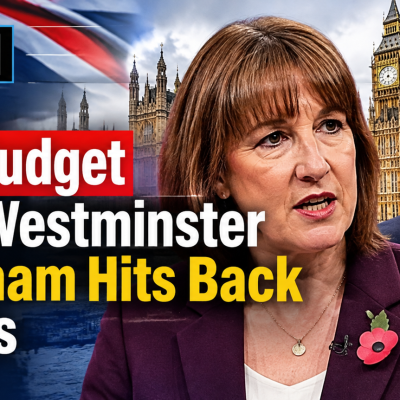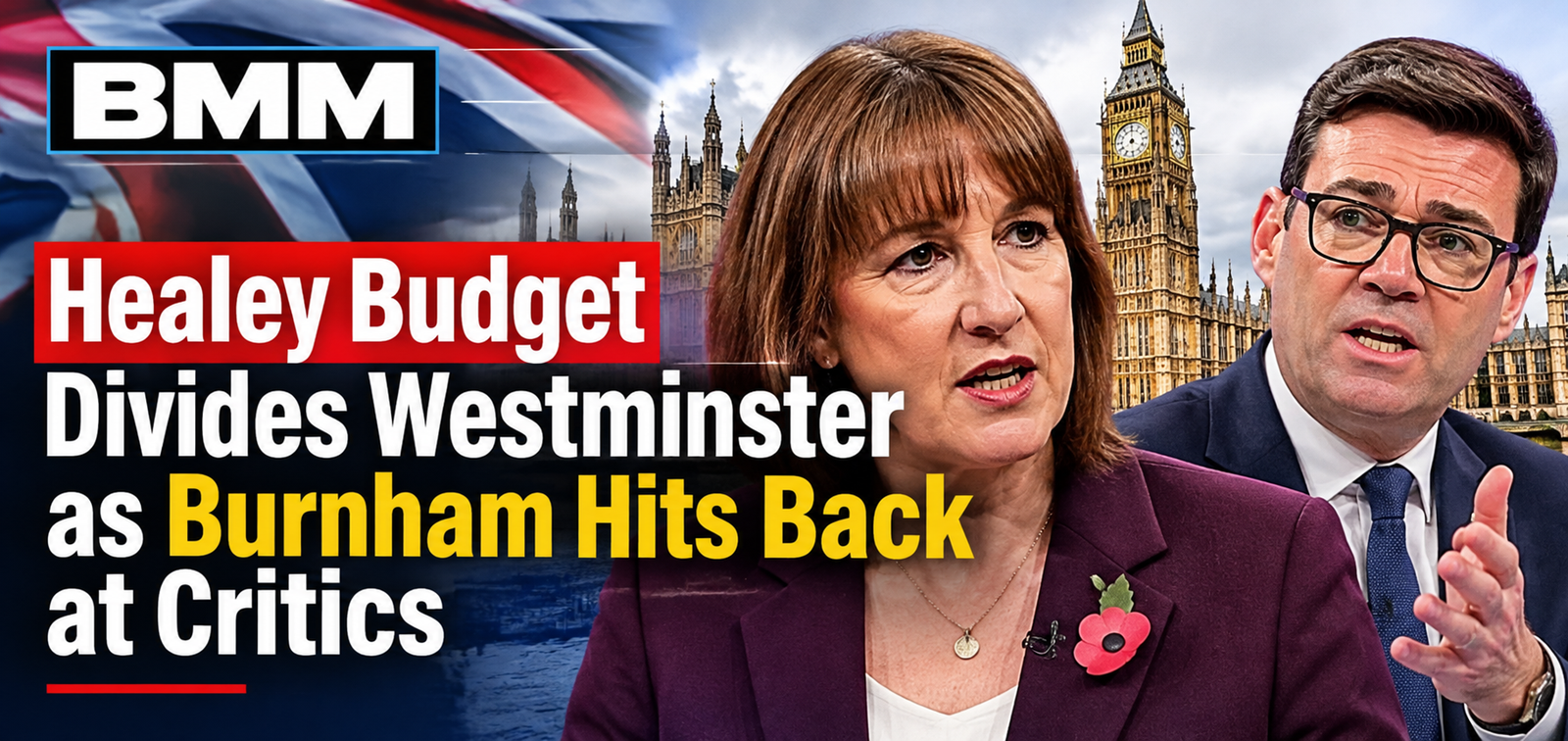
The Healey Budget was never going to please everyone. Delivered on 28 October, it was John Healey’s first as Chancellor and the first since Andy Burnham became Prime Minister. Within hours, the political parties had picked their lines and started trading blows.
What the Chancellor Actually Delivered
Healey chose caution over drama. One headline measure was a £100 winter energy payment, while the ISA allowance stayed at £20,000. Commentators described the package as modest. One called it a “breathing space” budget, built to calm nerves rather than rewrite the rulebook.
That restraint is the main reason the Healey Budget has been so hard to judge. Supporters see steady hands. Critics see a missed opportunity.
Badenoch: “Is That It?”
Tory leader Kemi Badenoch went in hard. She said most people would be asking “Is that it?” and argued the plan wasn’t bold enough. She also criticised what she sees as a failure to tackle youth unemployment.
Reform UK’s Treasury spokesman, Robert Jenrick, dismissed the package as a “nothing burger” that put off necessary decisions.
Burnham Defends His Chancellor
The Prime Minister came out swinging. Burnham said the Budget was “pretty bold” and aimed to “help everybody”. Yet other reports say he admitted it was not radical enough. That leaves a tension at the heart of the government’s message. It wants credit for boldness while accepting that its room for manoeuvre is tight.
Lib Dems Push for a Different Direction
Ed Davey used the moment to push his own agenda. He said the tax burden would hit a record high next year. He also urged Labour to join the single market and a customs union and use the money raised to cut people’s taxes. Whatever the merits, it shows how much space the opposition parties see for competing visions after the Healey Budget.
The Verdict from the Experts
Economic reaction has been mixed. Andy Haldane, the former Bank of England chief economist who once advised Burnham, gave the Budget four out of ten. Another commentator argued the Chancellor’s responsible, steadying approach makes a Labour election victory more likely, and that victory is what Burnham’s wider ambitions depend on.
That sums up the debate. A cautious Budget may lack vision, but it can still be good politics.
Politics Behind the Numbers
Labour goes into this period from a position of strength. One poll before the Budget put the party on 32%, eight points ahead of the Conservatives. The same survey showed Nigel Farage’s satisfaction rating down to 22%. Even so, one pollster warned against reading too much into a single survey, noting that British politics has been volatile.
Reform has its own distractions too. Its recent conference was overshadowed by a broadcast involving Farage and allies and claims about illicit donations, which Farage says broke no law.
What Happens Next
The Healey Budget buys the government time, not certainty. Borrowing costs and inflation remain a worry, and ministers have reportedly been told to prepare for spending cuts to fund new Burnham pledges. If the economy wobbles, the “not bold enough” charge could turn into “not enough, full stop.”
For now, Labour has its breathing space. The question is what it does with it.