Africa Energy Indaba 2027 champions regional cooperation, interconnected power systems, and investment in renewable energy to unlock Africa’s energy potential and accelerate economic growth.
CAPE TOWN, SOUTH AFRICA: 19 NOVEMBER 2026– Africa’s energy future will not be determined by how much electricity individual countries can generate alone, but by how effectively the continent can connect its energy resources, infrastructure, and markets.
As African countries work to address electricity access, energy security and growing demand, cross-border electricity trade is emerging as an important pathway towards building a more integrated, reliable, and competitive African energy sector.
From solar-rich regions and hydroelectric resources to wind energy corridors and natural gas reserves, Africa has significant energy resources. However, these resources are unevenly distributed across the continent. Greater regional cooperation and interconnected electricity networks could enable countries to share surplus power, access alternative energy sources, and strengthen the resilience of their national electricity systems.
The opportunity extends beyond electricity supply. A more connected African energy market has the potential to support industrialisation, attract investment, stimulate regional trade, strengthen manufacturing value chains, and create an enabling environment for businesses to grow.
Cross-border energy trade is therefore not simply an infrastructure conversation; it is an economic growth and continental development imperative.
Regional power pools: Turning shared resources into shared prosperity
Cross-border electricity trade allows countries with surplus generation capacity to supply neighbouring markets experiencing shortages, creating opportunities to optimise available resources rather than relying exclusively on domestic generation.
Through regional power pools, countries can coordinate electricity generation, transmission, and trading, helping to balance supply and demand across national borders. These arrangements can also improve the commercial viability of large-scale energy projects by connecting electricity producers to a wider market.
The benefits are already becoming evident in parts of the continent. In West Africa, more than 4,000 kilometres of high-voltage transmission lines have been constructed to connect the electricity grids of 15 countries through the West African Power Pool (WAPP). By 2026, approximately 8% of regional electricity was being traded across borders, demonstrating the practical value of regional electricity integration.
Similar opportunities exist through the Southern African Power Pool (SAPP), the Eastern Africa Power Pool (EAPP) and other regional electricity initiatives. Strengthening these networks can enable countries to diversify their energy supply, access more competitive electricity prices and improve resilience during periods of constrained generation.
For renewable energy, the opportunity is particularly significant. Countries with strong solar, wind and hydropower resources can potentially supply neighbouring markets, helping to integrate more renewable generation into regional electricity systems while reducing dependence on expensive and carbon-intensive alternatives.
However, unlocking this opportunity requires more than building transmission lines. It demands coordinated energy policies, harmonised regulatory frameworks, commercially viable trading arrangements, reliable payment systems, and sustained investment in cross-border infrastructure.
The African Union’s African Single Electricity Market (AfSEM) initiative is advancing this vision, working towards the progressive integration of national and regional electricity markets into a unified continental market. Its implementation is an important step towards making electricity a resource that can be traded more efficiently across Africa.
Collaboration is the catalyst for Africa’s energy transformation
For Africa to fully benefit from regional electricity trade, governments, utilities, regulators, development finance institutions, and private-sector investors must work together to address the structural and financial barriers limiting energy integration.
Investment in transmission infrastructure, grid modernisation, interconnectors, and energy storage will be essential. Equally important is creating predictable regulatory environments that encourage private-sector participation and give investors the confidence to finance long-term energy projects.
The development of interconnected energy markets also presents an opportunity to strengthen Africa’s broader economic integration agenda. Reliable and competitively priced electricity is fundamental to manufacturing, mining, agriculture, digital infrastructure, and industrial development.
As African countries pursue greater intra-African trade under the African Continental Free Trade Area (AfCFTA), energy cooperation must become an integral part of the continent’s economic development strategy.
A connected energy market means more than moving electricity across borders. It means connecting industries to opportunities, businesses to markets and countries to shared economic prosperity.
Africa Energy Indaba: Championing a connected and powered Africa
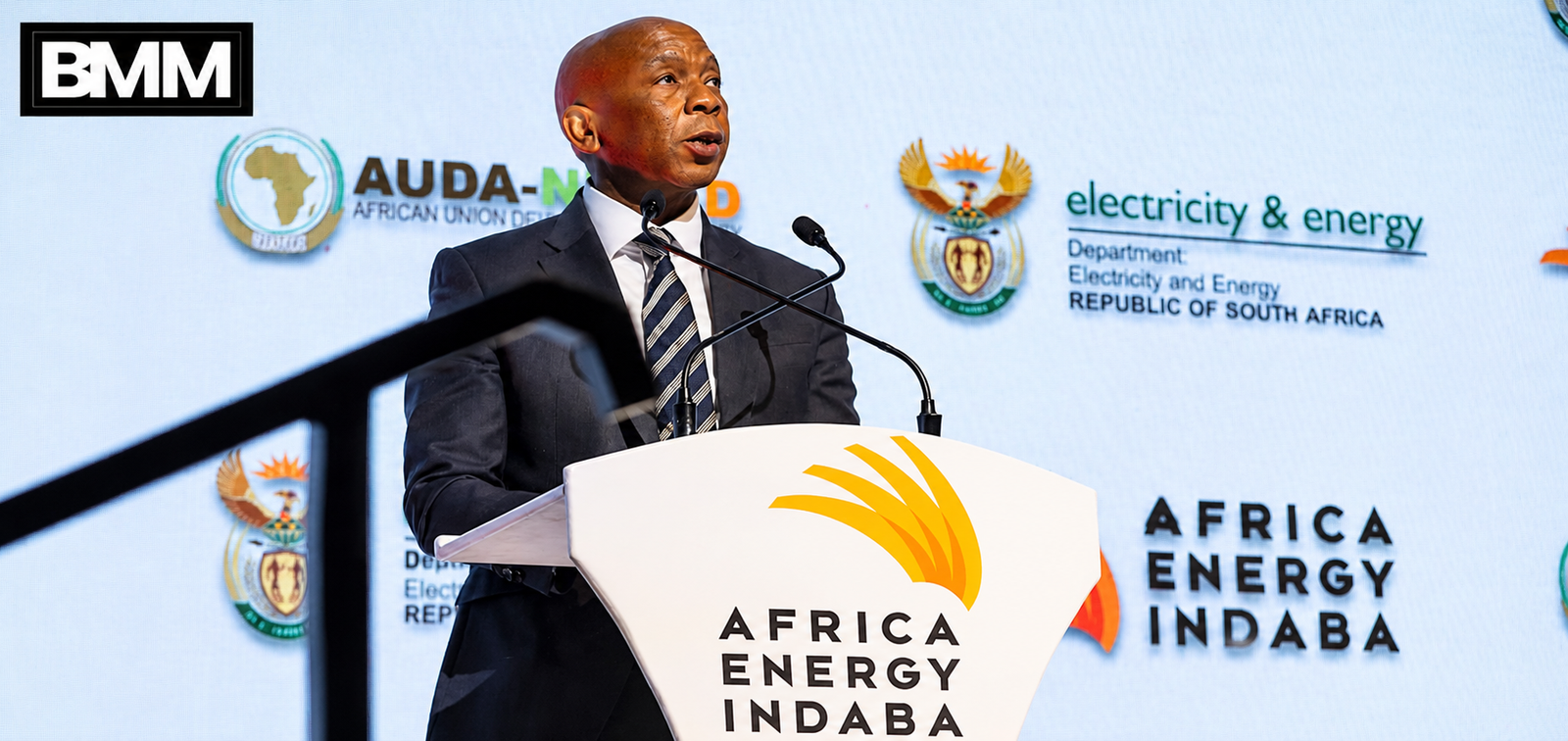
For Africa Energy Indaba, regional energy cooperation remains central to the continent’s ability to unlock its energy resources and translate them into sustainable economic opportunities.
As one of Africa’s leading energy platforms, the event continues to champion the conversations, partnerships and investment opportunities needed to advance the continent’s energy future. It provides a meeting point for policymakers, energy companies, investors, project developers, technology providers, and industry stakeholders to address the challenges and opportunities shaping Africa’s energy landscape.
Commenting on the importance of regional energy integration, Liz Hart, Managing Director of Africa Energy Indaba, says:
“Africa’s energy future cannot be built in isolation. We must move beyond individual national energy strategies and recognise the strength of what we can achieve through regional cooperation. By connecting our energy systems, sharing resources, and creating opportunities for cross-border electricity trade, we can improve energy security, unlock investment, and accelerate industrial development. A connected Africa is a stronger, more competitive and better-powered Africa.”
The 2027 edition of Africa Energy Indaba will provide an important platform to advance these conversations, encouraging stakeholders to look beyond national energy priorities and consider the opportunities that can be unlocked through continental collaboration.
Taking place from 2–4 March 2027 at the Cape Town International Convention Centre (CTICC), the 19th Africa Energy Indaba will be held under the theme:
African Energy – Pathways to Prosperity: Connectedness and Cooperation.
Through the conference programme and associated industry forums, the Indaba will bring together the voices and decision-makers needed to address Africa’s energy challenges, advance investment, strengthen partnerships and identify practical pathways towards a more integrated energy future.
As the continent works towards expanding electricity access, accelerating renewable energy deployment, and strengthening its industrial capacity, the need for a unified approach has never been greater.
Africa has the resources. It has the markets. It has the people and the potential. What is needed is stronger connectivity, collective ambition, and the partnerships to turn that potential into progress.
Africa Energy Indaba remains committed to championing the voice of a continent that must not only generate more energy, but connect, trade, and collaborate to power its future.