
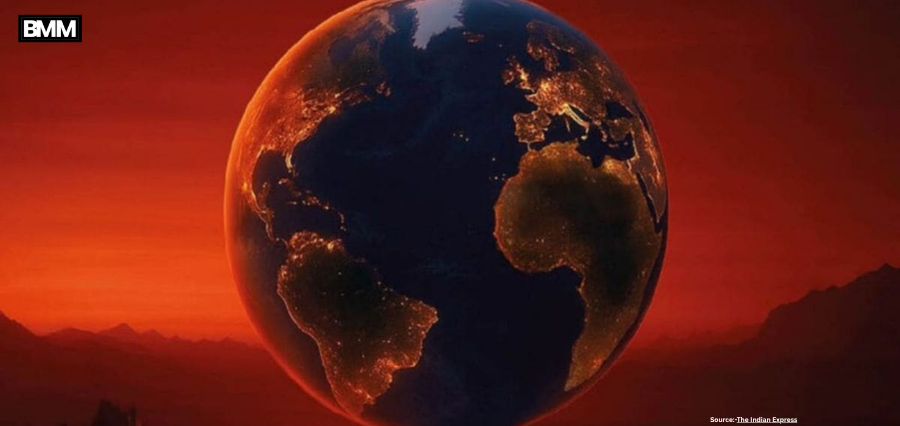
Safety and stability remain major concerns for travelers, businesses, and governments across the globe. Political unrest, armed conflicts, terrorism, economic instability, and high crime rates all contribute to how nations are perceived on the global stage. In 2026, the discussion aroundDangerous Countries in the World in 2026 has become even more relevant as international tensions continue to influence mobility, trade, and everyday life.
While danger can exist in different forms depending on the region, some countries consistently rank higher due to ongoing conflict, weak governance, or humanitarian crises. Understanding these realities helps people make informed decisions and recognize the broader challenges these nations face.
Dangerous Countries in the World and Why They Are Considered High Risk
Dangerous Countries in the World in 2026 is a term that is not only used to describe war zones. It also encompasses countries that experience extreme political unrest, terrorism threats, violent crime, and social unrest. These aspects intersect in most instances resulting in a situation where the locals and tourists are at a high risk.
The same regions are frequently mentioned in travel warnings, international peace indexes and security reports. The access to healthcare, effectiveness of law enforcement, civil conflict, and stability of infrastructure contribute to these rankings.
In 2026, the most recent countries going through long-term conflict still reign in these debates, particularly when the recovery is in question.
Countries Facing Severe Conflict and Instability
1. Afghanistan
Afghanistan is still among the most talked-about countries when it comes to considering the safety issue worldwide. Due to years of warfare, political unrest and humanitarian difficulties it has become one of the most hazardous destinations to both civilians and tourists.
Daily life is still burdened with security threats, poor infrastructure and access to basic services. To most foreign analysts, Afghanistan has been the focal point of the debate on international instability.
2. Syria
Syria is still experiencing the consequences of the civil war, displacement and economic collapse in the long run. Even though the violence has been reduced in some places, the country is continuing to grapple with security threats, infrastructural damages, and political insecurity.
It is still on the list of the Dangerous Countries in the World 2026 due to its current humanitarian crisis.
3. Yemen
Yemen is still severely stricken by war, food shortages, and humanitarian disasters. The war has undermined institutions and provided insecure conditions to millions of individuals.
The lack of healthcare and ongoing violence characterize the country as one of the most dangerous places in the world.
Nations Affected by Crime and Organized Violence
1. Venezuela
Economic instability, inflation, and a high rate of violent crime still persist in Venezuela. Although there is evidence of recovery in some urban centers, issues of robbery, kidnapping, and social unrest are still of concern.
This financial meltdown plus the general insecurity of the people makes Venezuela one of the most closely monitored high-risk countries.
2. Haiti
Gang violence, political instability, and lack of government control in some regions are some of the greatest challenges in Haiti. In recent years, security issues have become more acute, and the everyday life of local communities has become extremely challenging.
Weak systems and the lack of stability in the country make it to be ranked among the Dangerous Countries in the World.
Terrorism and political uncertainty are some of the factors that have affected the regions.
Regions Impacted by Terrorism and Political Uncertainty
1.Somalia
Somalia still has to contend with terrorism threats, most notably those posed by extremist factions, political instability and lack of institutional control. There is a high level of restrictions to travel to most parts of the country as a result of security concerns.
It is among the most challenging environments in terms of stability in the world due to its long-standing governance challenges.
2. South Sudan
Despite the international peace efforts, South Sudan is experiencing ethnic conflict, displacement, and political uncertainty. Millions of people are still vulnerable to violence among armed groups and weak government systems.
Its weak nationalism continues to keep it one of the nations that is regularly ranked in the lists of global risks.
Economic Collapse and Social Unrest
1. Libya
Libya is still divided into political factions, and the armed conflicts and struggles to govern the country have been a burden to the stability. The overall uncertainty still causes international concern despite the fact that there are areas that are safer in operation than others.
Lack of good institutional control makes the domestic and international risk bigger.
2. Myanmar
The political conflict and military control in Myanmar has led to an increase in unrest. Violence, civil resistance and economic disruption have had a great impact on the stability of the nations.
The insecurity of governance and human rights keeps Myanmar on the international safety agenda.
How Global Rankings Are Determined?
As far as analysts find Dangerous Countries in the World, they do not focus on one issue, but on several. One of the measures is armed conflict, but the rates of crime, corruption, access to healthcare, economic downturn, and confidence in institutions of the population, count.
A nation does not have to be directly at war to be highly unsafe because of kidnappings, civil conflicts or terrorism. Similarly, there might be safe places in some conflict zones not as the headlines might seem.
Context is important because of this reason. The rankings are not permanent and they may fluctuate depending on the political dynamics, peace negotiations, or economic revival.
Final Thoughts
The Dangerous Countries in the World in 2026 list is indicative of greater global problems like inequality, war, poor governance, and humanitarian crisis. Such nations are not characterized by the state of danger alone, but by the necessity of a quick recovery, help, and stability in the long term.
The awareness of these threats is essential not only in relation to planning travel but also to being aware of the greater truth that is experienced by millions of people. Safety ratings can serve as a reminder of danger, but they help us remember that peace, strength and sustainable global interaction are equally valuable.
Also Read :- Discovering the Best Place to Visit in Summer Around the World