
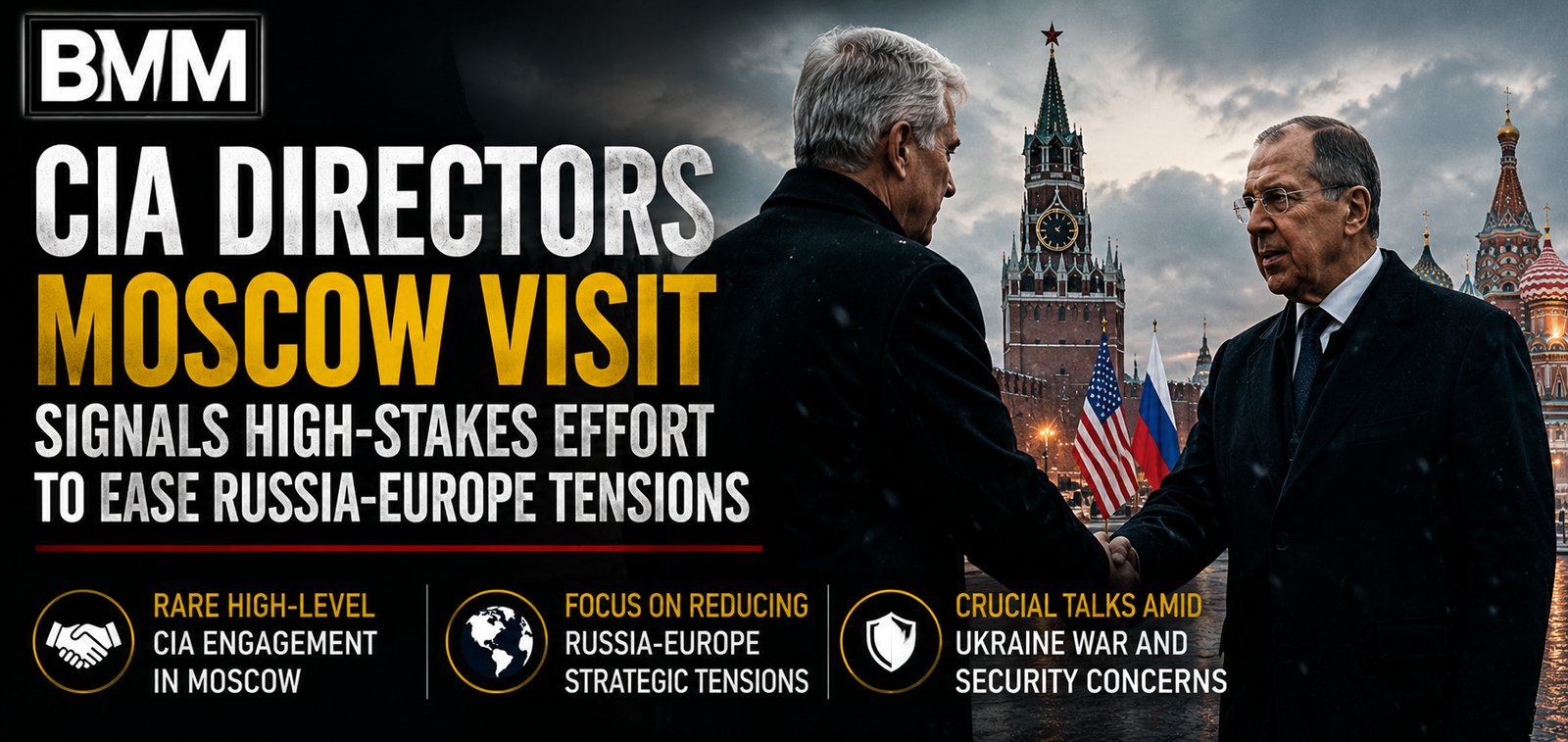
A surprise visit by CIA Director John Ratcliffe to Moscow has sparked intense international attention, with reports suggesting the trip was aimed at reducing escalating Russia-Europe tensions and preventing a broader security crisis in the region. The visit, which was not publicly announced beforehand, marks the first known trip by a sitting CIA director to Moscow since 2021 and comes amid growing concerns about the future of European security.
The development gained further significance after Lithuanian President Gitanas Nausėda indicated that the mission was linked to efforts to lower the risk of confrontation between Russia and Europe. The remarks have fueled speculation that Western intelligence agencies are increasingly concerned about the possibility of the Ukraine conflict spilling beyond its current boundaries.
What Happened in Moscow?
According to sources from the Kremlin, Ratcliffe’s discussions involved meeting Russian intelligence counterparts while in Russia but not directly speaking to Russian President Vladimir Putin. Putin was informed about everything that was discussed after his return, according to Kremlin spokesperson Dmitry Peskov. However, details about the discussion have been withheld.
The secretive nature of the visit means that experts consider it to be very sensitive in terms of diplomacy and intelligence. Although the ties between the US and Russia have been very tenuous in recent times, there have always been intelligence lines of communication.
Growing Fears Across Europe
The visit is taking place amid continued Russia-Europe tensions owing to the war raging in Ukraine, together with security issues along the eastern border of NATO. There have been reports citing assessments from the U.S. intelligence that Western leaders are watching out for signs that Russia might put into play the determination of NATO through cyber operations, hybrid warfare, and even some form of military action that will target weak spots, especially in the Baltic region.
Lithuania, Latvia, and Estonia, among other countries, find these issues very pertinent because they have been calling for more deterrence and preparedness on the part of NATO.
Trump Administration Downplays Speculation
Although news outlets have cited the Moscow trip in connection with security issues in Europe, U.S. President Donald Trump referred to the visit as “semi-routine” and denied allegations of Ratcliffe having gone to Russia to give Moscow warnings regarding NATO. On the contrary, he stated that the visit was an integral part of diplomatic activities in connection with Ukraine.
Nevertheless, numerous sources believe that the issues related to Russia-Europe tensions were probably among those discussed. According to some sources, Ratcliffe could have delivered messages aimed at deterring any activities leading to an escalation of tensions between Russia and NATO members.
Intelligence Diplomacy Takes Center Stage
The visit to Moscow brings to light the increasing significance of intelligence diplomacy in dealing with international crises. Contrary to traditional diplomatic encounters, intelligence-level contacts offer an opportunity for states to share sensitive information and evaluate each other’s intentions without any political pressures from the outside world.
Indeed, specialists stress that the importance of such contacts becomes especially critical during the periods of escalating Russia-Europe tensions due to possible misperceptions and exaggerations of the threat.
Implications for European Security
The visit has come at a time when there is much uncertainty regarding Europe’s security environment. Ongoing war in Ukraine, arms build-up in Europe, and future Russian moves still influence strategic considerations by the NATO members. Meanwhile, leaders want to find means of preventing further deterioration in ties.
It remains to be seen whether any progress will be made by Ratcliffe during his talks. Kremlin has warned not to hope for quick improvements in ties, whereas the Western officials did not comment on the results of the talks.
Regardless of that, such unusual diplomacy reflects the gravity with which politicians approach Russia-European tensions currently. At a time when Europe faces one of the most dangerous security environments in years, secret intelligence contacts might be instrumental in maintaining stability.