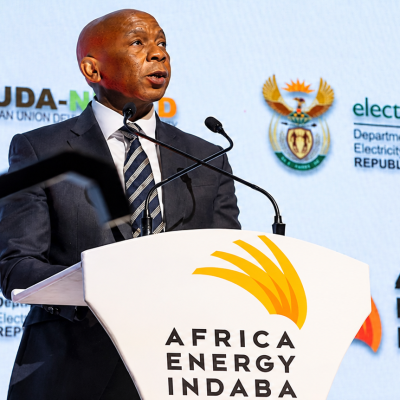
South Africa’s health minister has a blunt message for the continent. Aaron Motsoaledi says local manufacturing in Africa will only succeed if governments commit to buying what is made there. He spoke on 24 November 2026 at the Conference on Public Health in Africa (CPHIA) in Addis Ababa.
A Continent That Trades Elsewhere
Motsoaledi pointed to a long-standing weakness. African countries tend to trade more with outside partners than with one another. He argued that producing medical goods at home means little without the right conditions around it.
His list was specific: functioning African markets, pooled procurement, regulatory convergence, technology transfer and long-term purchasing commitments. Without them, he suggested, local manufacturing in Africa cannot be commercially viable or sustainable.
The Aspen Warning
He backed his argument with a cautionary tale. During the pandemic, South African drugmaker Aspen secured the right to produce the Johnson & Johnson COVID-19 vaccine. Then it found almost nobody wanted to buy it. Motsoaledi said the venture collapsed because there were simply no markets.
The Lenacapavir Test Case
The more recent case concerns lenacapavir, the drug which blocks virtually all instances of HIV infection. Gilead granted voluntary licenses to six companies, but not a single one of those was based in sub-Saharan Africa – the area worst affected by HIV infections.
South Africa objected to this, and Gilead was amenable to the idea of adding local companies to the list. The South African government has now put forward three names. “It is also worth noting that the SADC countries have committed to buying the regional drug,” said Motsoaledi. “This is how we can take manufacturing in Africa from rhetoric to reality. We must ensure reciprocal support and cooperation for our neighbors’ manufacturing efforts.”
Why Local Manufacturing in Africa Is Linked to Health Sovereignty
The discussion comes amid the reduction in donor money. CPHIA had a number of sessions on reform of the global health system and self-reliance.
Health Minister of Zimbabwe, Douglas Mombeshora, spoke about efforts to increase the domestic financing. The government uses AIDS levy since 1999, implements national health insurance scheme, and allocates revenues from sugar and airtime taxes. The goal is to increase the share of health financing to 15% of the national budget and employ 32,000 additional health workers until 2030. The government has already employed more than 14,000 health workers and absorbed 1,000 people after US funding cut.
Minister of Health of Ethiopia, Mekdes Daba, reported that their country covers 50% of the healthcare costs, whereas a decade ago it covered only 25%. She acknowledged that the debt and drastic change in aid leave no fiscal space. Some other participants mentioned loans of development banks and that approximately 30-40% of funds are lost due to fragmentation and duplications.
Global Funders Weigh In
According to Peter Sands, the departing executive director of the Global Fund, his institution is assisting many countries in getting out of their programs and has been collaborating in procurement. He further emphasized the need for structural changes, including some institutions’ mergers and shutdowns.
The executive director of Gavi, Sania Nishtar, has appealed to the sector to retain what works and to improve on what does not work. She stated that ministers should not be struggling with 60 to 70 institutions and everyone ought to be in line with national strategies. She further emphasized the role played by Gavi in supporting the African Vaccine Manufacturing Accelerator program.
What Comes Next
The message from Addis Ababa is that ambition alone won’t build an industry. The success of local manufacturing in Africa will be judged by orders placed, not speeches made. For policymakers, that means turning pledges into contracts, aligning regulators and committing to regional buyers. Whether governments follow through will decide if local manufacturing in Africa becomes a lasting reality or another missed opportunity.