
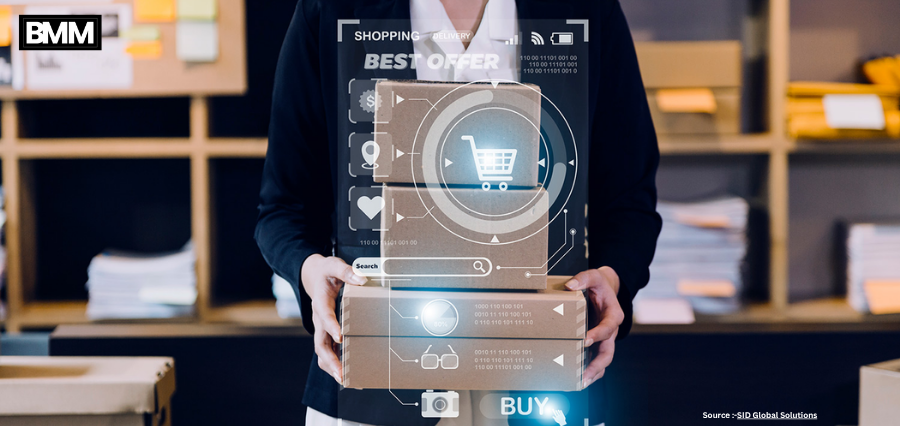
The way people buy and sell has changed dramatically with the growth of the internet. Businesses no longer rely only on physical stores to reach customers, and consumers now expect convenience, speed, and accessibility. This shift has made many people ask, what is ecommerce? The answer goes far beyond online shopping. It represents a complete transformation in how trade happens across industries and borders.
Understanding what is ecommerce? is essential for businesses, entrepreneurs, and even customers who want to keep pace with modern commerce. It is not just a trend but a foundation of today’s global economy.
What Is Ecommerce? and Why It Matters Today
To get an idea of what is ecommerce? It is best to start with basics. Electronic commerce or ecommerce is a method of buying and selling of goods and services via online means, primarily the internet. It encompasses online retailing shops and mobile shopping applications, as well as online payments and booking of services.
In contrast to the traditional commerce, ecommerce eliminates geographical obstacles and enables business organizations to access consumers across the globe. A customer is able to buy a product in a different country in a few minutes and a company is able to do business without a brick and mortar shop.
One of the largest factors that ecommerce has taken center stage in the present business strategy is this convenience.
How Ecommerce Works in Modern Business?
The process of ecommerce involves multiple connected systems. A customer visits an online platform, selects a product or service, makes a payment, and the seller arranges delivery or service fulfillment.
Technology plays a major role in this journey. Payment gateways ensure secure transactions, inventory systems track stock levels, and logistics platforms manage shipping and delivery. Customer support and digital marketing also form a large part of the process.
When asking what is ecommerce?, it is important to understand that it is not only about selling products online. It is a complete business model supported by digital infrastructure.
Types of Ecommerce Models
1. Business to Consumer
This is the most common form of ecommerce where businesses sell directly to individual customers. Examples include fashion websites, electronics stores, and food delivery platforms.
Most people interacting with online shopping are part of this model, making it the most visible answer to what is ecommerce?
2. Business to Business
In this model, companies sell products or services to other businesses. This could include software providers, wholesale suppliers, or industrial equipment sellers.
Business to business ecommerce often involves larger transactions and longer decision-making processes.
3. Consumer to Consumer
This model allows individuals to sell directly to other individuals through online marketplaces. Platforms like resale websites and auction platforms operate within this category.
It expands the reach of ecommerce beyond companies and into personal transactions.
Techniques Driving Modern Commerce
4. Personalization Through Data
Modern ecommerce depends heavily on customer data. Businesses use browsing history, preferences, and purchasing behavior to create personalized shopping experiences.
This helps brands recommend products more effectively and improves customer satisfaction. Personalization has become one of the strongest techniques shaping digital commerce today.
5. Mobile Commerce
A major part of understanding what is ecommerce? involves recognizing the role of smartphones. Mobile commerce allows users to shop through apps and mobile-friendly websites, making purchases faster and more convenient.
As mobile usage increases globally, businesses must ensure their platforms are optimized for smaller screens and quick transactions.
6. Social Commerce
The social media is becoming a direct selling medium. Consumers are able to learn about products by viewing content and make purchases without exiting the app. This relationship between entertainment and shopping is transforming the way brands are interacting with the audience and establishing trust.
7. Automation and Artificial Intelligence
Automation enhances the customer service with chatbots, whereas artificial intelligence assists in demand forecasting, pricing policies, and product suggestions.
These tools make businesses more efficient and enable them to react more quickly to market shifts.
Also Read :- AI and Automation in Logistics: Reshaping Canada’s Supply Chain Industry
Benefits of Ecommerce for Businesses and Consumers
Ecommerce provides elasticity to sellers and buyers. Companies are able to run twenty four hours without being restricted to location and the customers are able to have access to greater options and more convenience.
The cost of operation is also low and thus ecommerce is appealing. The businesses are also able to invest higher in technology, service and growth without the necessity of massive physical space.
To customers, the value of being able to compare prices, read reviews and have the products delivered to their door also carries a great value to the shopping process.
Also Read :-
Challenges in Ecommerce
Although ecommerce is beneficial, it also has its problems. Security is also one of the key concerns, particularly with respect to the safety of payments and privacy of customer data.
Competition is another issue. Entry barriers are also not as high and therefore, businesses have to strive harder to be unique and retain customers.
Planning should also be involved in logistics, returns management as well as service quality consistency.
Final Thoughts
What is ecommerce? is no longer an issue of online shopping. It is the future of trade, in which technology, convenience, and strategy collaborate in developing enhanced business experiences.
Ecommerce has been reshaping the way contemporary business operates, particularly with digital payments, personalized marketing, and accessibility across the globe. Companies that learn and adjust to this change are in a better position to remain successful in the long run.
Ecommerce is one of the most significant supports of the contemporary economy as it is bound to become stronger as technology progresses.
Also Read :- Warehouse 4.0: Robotics, Cobots, and Smart Fulfillment Ecosystems