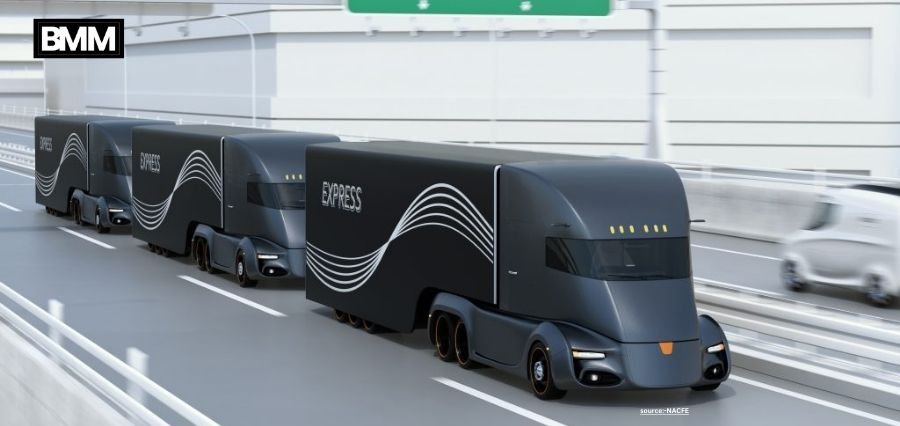
The trucking industry, long defined by roaring engines and well-worn highways, is shifting gears. A Trucking Tech Revolution is underway, powered not by diesel, but by data, artificial intelligence, and automation. This transformation is not just about new gadgets in the cab. It is about reshaping how freight moves, how drivers work, and how supply chains function. As technology redefines every mile of the journey, the world of trucking is no longer just about horsepower. It is about brainpower.
Self-Driving Trucks
Autonomous Trucking Tech Revolution is no longer an abstract concept. Across the United States, Germany, China, and the Middle East, self-driving trucks are being tested on highways and regional routes. These trucks are equipped with cameras, radar, lidar sensors, and onboard computers that process vast amounts of data in real time.
While fully driverless trucks for long-haul routes remain in pilot phases, the industry is rapidly progressing toward autonomy. Companies such as TuSimple, Aurora, and Waymo Via have successfully completed autonomous freight runs. These early adopters are demonstrating how automation can improve safety, reduce driver fatigue, and increase efficiency by operating during off-peak hours and maintaining steady speeds.
However, the goal is not to replace human drivers completely. Most experts predict a hybrid model in the near term. Drivers will handle urban and complex sections while trucks navigate highways autonomously. This model could significantly reduce the burden on drivers while boosting productivity.
AI Dispatching
Beyond the trucks themselves, artificial intelligence is transforming how fleets are managed. AI-powered dispatch systems are optimizing routes with astonishing precision. Instead of relying on manual planning or basic GPS suggestions, these systems analyze traffic data, fuel prices, weather conditions, vehicle availability, and customer delivery windows to find the most efficient path.
This level of precision leads to significant savings. It reduces fuel consumption, ensures on-time deliveries, and minimizes idle time. For drivers, it means less stress and fewer detours. For companies, it means higher margins and improved customer satisfaction.
Additionally, Trucking Tech Revolution predictive analytics helps dispatchers anticipate issues before they arise. If a truck is likely to face a mechanical problem or weather delay, AI can reroute it or adjust schedules in real time. This intelligent responsiveness is helping companies meet rising consumer demands with fewer disruptions.
Telematics and Fleet Monitoring
Telematics technology has become the central nervous system for many modern fleets. By tracking everything from engine diagnostics to driver behavior, telematics provides fleet managers with a detailed view of their operations.
Real-time tracking enables quicker responses to delays, reduces theft risk, and helps ensure compliance with regulations. Meanwhile, data on fuel usage, braking patterns, and maintenance needs can be used to train drivers and maintain trucks more efficiently.
This feedback loop leads to safer roads and more reliable deliveries. It also empowers drivers by providing clear benchmarks and performance insights. Rather than feeling micromanaged, many drivers appreciate the support this technology provides in staying safe and productive.
The Dual Shift in Trucking Infrastructure
While automation and AI lead the headlines, two other trends are reshaping the backbone of trucking: electrification and connectivity.
Electric trucks are gaining traction as companies seek to reduce emissions and operating costs. Models from manufacturers such as Tesla, Volvo, and Daimler are already being deployed for short and medium-haul deliveries. These trucks offer quiet operation, lower fuel costs, and compliance with tightening environmental regulations.
Connectivity Trucking Tech Revolution is the glue that binds all these innovations together. High-speed mobile networks and 5G technologies allow vehicles, warehouses, and logistics platforms to communicate seamlessly. This constant connectivity ensures that a delay in one part of the chain is instantly addressed elsewhere, reducing inefficiencies and bottlenecks.
Balancing Progress with the Human Touch
As technology redefines what is possible in trucking, the industry faces an important challenge: maintaining the human element. Trucking has always been about people. It is about the drivers who brave long hours, the dispatchers who coordinate chaos, and the mechanics who keep rigs running smoothly.
The future of trucking should not erase these roles. Instead, it should enhance them. Autonomous systems can reduce fatigue-related accidents. AI dispatching can give drivers better schedules and reduce unnecessary pressure. Telematics can support better training and safer driving.
Rather than replacing humans, these tools offer the potential to elevate their roles. Drivers become safety supervisors and logistics partners. Dispatchers become strategic planners. Mechanics become data-informed technicians.
The Road Ahead
The trucking tech revolution is not a distant dream. It is already reshaping the industry mile by mile. From self-driving rigs easing the strain on long-haul routes to AI dispatching systems making operations smarter and cleaner, the changes are profound
However, successful adoption requires more than innovation. It requires collaboration between technologists, logistics experts, drivers, and regulators. The future of trucking is not about machines alone. It is about the people who use them and the freight they carry.
As the road ahead unfolds, one thing is clear. The most powerful engine in trucking today is not under the hood. It is the imagination to rethink what is possible and the courage to drive that change forward.
Also Read :- Business Minds Media for more information