The Middle East is undergoing a remarkable digital transformation that is reshaping the foundations of how organizations operate. Reimagining Workflows shift is powered by ambitious national visions, a growing innovation ecosystem, and a young population that embraces technology with ease. As companies move toward digital maturity, they are not simply adopting new tools. They are reimagining how work is structured, how employees engage with their roles and how workplaces support collaboration and creativity. A digital-first strategy has become a defining force in this evolution.
Reimagining Workflows for a Digital Era
The transformation begins with the redesign of workflows. Traditional processes that relied heavily on manual tasks, hierarchical approval systems, and physical documentation are being replaced with fluid digital pathways. Automation now handles repetitive activities, allowing employees to focus on strategic and creative responsibilities. Real-time data has become a core driver of decision-making, giving leaders clarity and confidence in moments where speed is essential.
Cloud-based platforms are breaking down operational silos by connecting departments and enabling teams to collaborate regardless of their physical location. Information moves more openly, and work cycles accelerate as organizations shift from fragmented systems to unified digital environments. The region is also seeing a rise in adaptive workflows guided by predictive analytics. These smart systems help businesses anticipate customer needs, forecast demand, and adjust operations before challenges arise.
The Evolution of the Reimagining Workflows
A digital-first strategy creates the need for new skills and new ways of working. The Middle East is experiencing rapid growth in digital professions, including artificial intelligence engineering, data science, cybersecurity, and advanced design technologies. At the same time, many traditional roles are expanding to include digital competencies that enhance productivity and performance.
This shift has inspired a strong regional commitment to continuous learning. Governments and private organizations are investing in academies and innovation centers that support upskilling and reskilling at scale. Employees across industries understand that staying relevant means staying adaptable. This culture of lifelong learning is shaping a workforce that is agile, confident, and prepared for the demands of a digital economy.
Flexibility has become a central feature of the modern workforce. Hybrid work models are now embraced by many sectors, creating new expectations around time, location, and collaboration. Digital tools allow employees to maintain full productivity whether they are in the office, at home, or on the move. This has opened the door to broader recruitment opportunities, enabling companies to access talent beyond national borders and build diverse multicultural teams.
Transforming Workplace Design
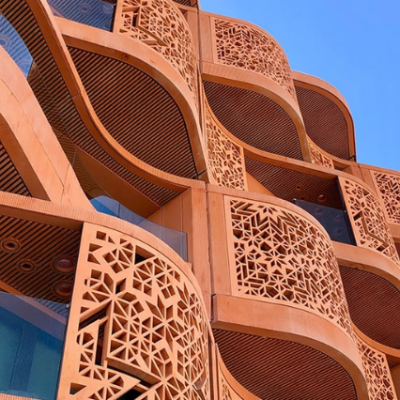
As Reimagining Workflows and workforces evolve, workplace design is also transforming. The workplace is no longer a single building. It is an interconnected ecosystem of physical and digital spaces that support meaningful and productive work. Across the Middle East, office environments are being redesigned to function as collaborative hubs. These spaces feature smart technologies, flexible zones, and interactive meeting environments that enable creativity and teamwork.
Workplace design now emphasizes wellbeing and experience. Employers recognize that for digital transformation to succeed, the physical environment must support comfort, focus and emotional balance. Smart lighting, ergonomic layouts, and acoustically optimized spaces contribute to healthier work experiences. Digital twin technology is also playing a rising role by allowing organizations to simulate layouts, test workflows, and refine space usage before implementing physical changes.
Remote work technology extends the idea of workplace design beyond traditional boundaries. Homes, coworking spaces, and mobile environments form part of the broader workplace network. Secure digital infrastructure ensures that employees can remain connected, productive, and engaged regardless of where they work. This shift strengthens a culture of trust and accountability that supports modern work models.
Conclusion
The digital-first strategy emerging across the Middle East is not simply a technological shift. It is a transformation in mindset that empowers organizations to innovate continuously, encourages employees to grow, and positions workplaces as active contributors to productivity and well-being. The reinvention of workflows, the evolution of the workforce and the redefinition of workplace design are deeply interconnected. Together, they shape a future in which the region stands as a global leader in digital excellence.
As Middle Eastern economies continue to evolve, the organizations that embrace digital-first thinking will define the next chapter of progress. The future of work is already taking shape and its possibilities continue to expand.
Also Read :- Best Online Magazine in 2026: The Most Readable Digital Business Platforms Shaping Global Leadership