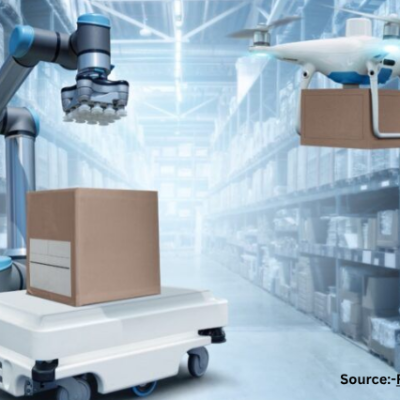
Innovation has always been the driving force behind human advancement. From the discovery of electricity to the rise of the internet, new technologies have continuously reshaped societies, economies, and the way people live. In recent years, the pace of technological progress has accelerated dramatically, with artificial intelligence, biotechnology, quantum computing, and immersive digital platforms transforming entire industries. Yet with this progress comes a fundamental question: how do we ensure that innovation benefits humanity without causing harm? The ethics of innovation are no longer an abstract debate but a pressing responsibility that must be embraced by policymakers, innovators, and society at large.
The Dual Nature of Technology
Every new technology carries within it the potential for both positive and negative outcomes. Artificial intelligence, for instance, can help detect diseases earlier, optimize supply chains, and improve climate modeling. At the same time, it can enable mass surveillance, algorithmic bias, and job displacement. Similarly, advances in genetic editing tools such as CRISPR hold the promise of curing hereditary illnesses but also raise concerns about designer babies and the manipulation of human life.
The dual nature of technology highlights why ethical considerations must be central to the process of innovation. To innovate responsibly is not simply to create what is possible but to ask what should be created and under what conditions.
Responsibility in Design and Deployment
The ethical responsibility of innovators begins at the design stage. Developers, engineers, and entrepreneurs must think beyond technical feasibility and profitability to consider the broader impact of their creations. This includes ensuring that systems are accessible, inclusive, and do not disproportionately disadvantage marginalized groups.
For example, artificial intelligence systems trained on biased datasets have been shown to deliver discriminatory results in areas such as hiring or criminal justice. Ethical innovation in this context means building transparency into algorithms, auditing systems for bias, and involving diverse voices in development teams to reduce blind spots.
Equally important is responsibility at the deployment stage. Even well-intentioned technologies can be misused once released into the world. Social media platforms, designed initially to connect people, have also fueled misinformation and polarization. Recognizing such risks early and establishing safeguards can help reduce unintended consequences.
The Role of Regulation
Innovation often moves faster than regulation, creating gaps in accountability. Governments play a critical role in closing those gaps by establishing frameworks that set boundaries while still encouraging creativity. The challenge lies in finding the right balance: too much regulation can stifle progress, while too little can leave societies vulnerable to exploitation and harm.
In areas such as biotechnology and artificial intelligence, regulation must evolve in real time, guided by both expert knowledge and public input. Transparent dialogue between policymakers, industry leaders, ethicists, and citizens can help ensure that laws reflect societal values rather than the narrow interests of corporations or political agendas.
Corporate Responsibility and Ethical Culture
Beyond government oversight, companies themselves have a duty to embed ethics into their culture. Too often, the race to market dominance overshadows concerns about safety, privacy, or fairness. When financial incentives outweigh social responsibilities, the result can be technologies that harm more than they help.
Forward-thinking organizations are now creating ethics boards, hiring chief ethics officers, and adopting principles such as accountability, inclusivity, and sustainability. However, these efforts must go beyond symbolic gestures. True ethical commitment requires integrating these principles into decision-making processes, performance metrics, and long-term strategies. Companies that succeed in doing so will not only gain public trust but also build resilience in an era where consumers are increasingly aware and concerned about corporate responsibility.
Global Implications
The ethics of innovation extend beyond national borders. Technologies such as artificial intelligence, climate engineering, and biotechnology have global impacts that no single country can manage alone. For example, an autonomous weapon system developed in one nation could destabilize international security, while a breakthrough in renewable energy could benefit the planet as a whole.
This interconnectedness underscores the need for global cooperation in establishing ethical standards and agreements. International bodies and cross-border collaborations can help set guidelines that prevent harmful applications while promoting shared benefits. Such cooperation is especially crucial in areas where competition between nations could otherwise lead to ethical shortcuts or dangerous escalations.
Striking the Balance
Ultimately, the challenge lies in striking a balance between progress and responsibility. Innovation should not be hindered by fear, but neither should it advance without reflection. The pursuit of technological advancement must go hand in hand with a commitment to human dignity, equity, and sustainability.
One practical approach is the principle of “responsible innovation,” which encourages anticipation of potential consequences, inclusion of diverse perspectives, and reflexivity in adapting to new insights. By adopting such frameworks, innovators can avoid short-term thinking and instead focus on long-term societal well-being.
Looking Ahead
As emerging technologies and Ethics of Innovation continue to reshape the world, the ethical dimension of innovation will become increasingly vital. The choices made today will define not only the trajectory of technology but also the values that underpin our collective future. By embedding responsibility into every stage of innovation, societies can harness the power of progress while safeguarding against its risks.
Innovation without ethics risks creating a future that is technologically advanced yet morally fragile. Innovation guided by responsibility, however, has the potential to deliver a future that is not only smarter but also more humane, just, and sustainable.
Also Read ;- Business Minds Media For more information