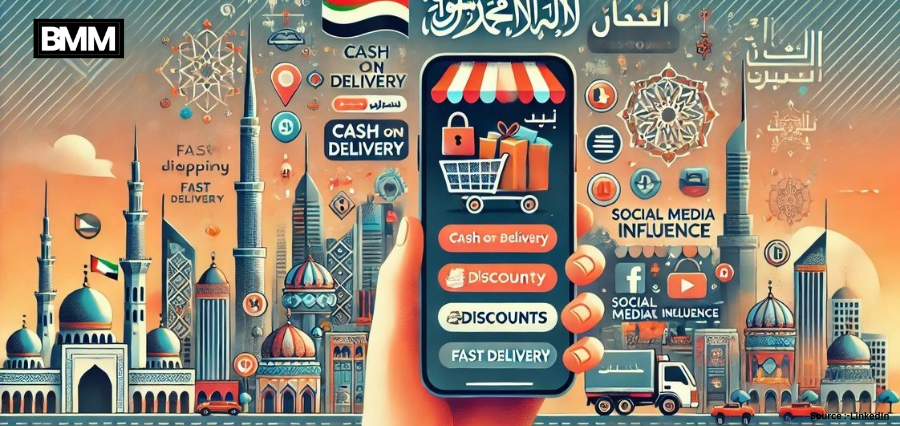
The marketing landscape of the Middle East in 2025 reflects a unique blend of tradition, innovation, and evolving consumer consciousness. As the region continues its rapid transformation driven by digitalization, youth empowerment, and cultural pride, marketers are learning that success no longer depends on visibility alone. It depends on meaning Consumer Mindset . Consumers today are not only purchasing products; they are aligning with values, experiences, and authenticity that resonate with their identity. Understanding this mindset is the key to meaningful marketing in the modern Middle Eastern market.
Cultural Roots in a Modern World
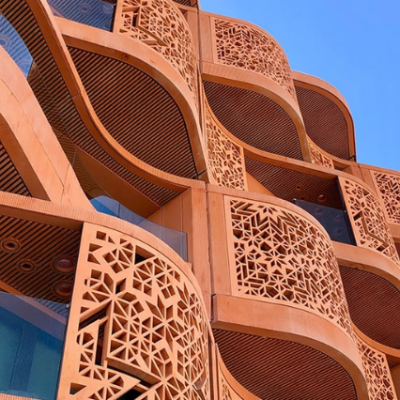
At the heart of the Middle Eastern consumer mindset lies a deep connection to culture and heritage. Even as societies embrace global influences, there is a growing emphasis on preserving authenticity. The modern consumer seeks brands that respect local traditions while reflecting innovation and modernity. Marketing campaigns that integrate regional narratives, native languages, and cultural symbolism often outperform those that attempt to impose external identities.
The Rise of Purpose and Authenticity
Middle Eastern consumers today are more discerning than ever. They seek honesty and substance over exaggerated promises. The younger generation, particularly millennials and Gen Z, values transparency, sustainability, and social impact. They are willing to support brands that take a stand on meaningful issues such as environmental responsibility, inclusivity, and community welfare.
Authenticity has become a non-negotiable standard. Consumers are quick to identify insincere attempts at social engagement or campaigns that merely imitate trends without purpose. The brands that thrive are those that communicate their mission with clarity and consistency. A meaningful message, backed by genuine action, earns long-term loyalty. Whether it is a fashion brand promoting ethical sourcing or a tech company investing in youth development, consumers in the region reward integrity.
Digital Sophistication and Emotional Connection
The Middle East continues to lead the world in social media engagement, and 2025 marks a new level of digital sophistication. Consumers are no longer passive audiences; they are active participants in brand storytelling. From user-generated content to immersive experiences powered by augmented and virtual reality, digital platforms are the new arenas for emotional connection.
However, while technology shapes how messages are delivered, emotion determines how they are received. Storytelling that evokes belonging, pride, and aspiration remains the most powerful tool. Marketers who use data not just to target but to understand emotions can create experiences that feel personalized and human. A well-crafted narrative that speaks to a shared sense of identity or aspiration can turn casual followers into brand advocates.
The Influence of Youth and Diversity
The Middle East is one of the youngest regions in the world, and this youth-driven demographic is reshaping the consumer mindset. Young people are redefining what aspiration means. It is no longer just about luxury or exclusivity; it is about individuality, creativity, and expression. They admire brands that encourage participation, innovation, and dialogue.
At the same time, the region’s diversity across language, religion, and lifestyle demands a nuanced approach. What appeals to consumers in the UAE may not resonate in Saudi Arabia or Egypt. Marketers in 2026 understand that the Middle East cannot be approached as a single market. It is a mosaic of cultures and subcultures, each with its own motivations and sensitivities. Successful campaigns are those that respect these distinctions while highlighting shared values of family, community, and progress.
Trust and Emotional Value in a Connected World
In a time when consumers have endless choices, trust has become the new currency of marketing. The Middle Eastern audience values long-term relationships over one-time promotions. They respond positively to brands that deliver consistency, reliability, and respect. Loyalty programs, personalized engagement, and post-purchase experiences are becoming as important as advertising itself.
Moreover, the emotional value attached to a brand increasingly influences purchase decisions. Whether it is a local coffee brand that celebrates community or a digital service that simplifies daily life, consumers prefer experiences that add meaning beyond function. Brands that cultivate trust through empathy, responsiveness, and human touch continue to lead the conversation in 2026.
The Way Forward: Marketing with Meaning
To market with meaning in the Middle East is to understand people before promoting products. It requires sensitivity to culture, awareness of social change, and a commitment to authenticity. It also requires marketers to evolve from storytellers to community builders. Every interaction, whether online or offline, must reflect respect for the audience’s intelligence and individuality.
The most dynamic marketing leaders of 2025 are not those who simply adapt to trends but those who create value that lasts. They design experiences that inspire, educate, and empower. They view marketing as a dialogue, not a broadcast. And above all, they recognize that in the Middle East, meaning is the true measure of success.
In this region where heritage meets innovation and emotion meets technology, marketing with meaning is not just a strategy. It is a responsibility. Those who understand the heart of the Middle Eastern consumer in 2026 will not just capture attention; they will earn trust, loyalty, and enduring impact.
Also Read :- Business Minds Media For more information