Across the Middle East, color is no longer viewed merely as an aesthetic choice of Color Technologies . It has evolved into a strategic tool that influences architectural identity, industrial performance, sustainability goals, and brand distinction. As the region invests heavily in infrastructure, urban development, advanced manufacturing, and new materials, the demand for innovative color technologies has accelerated to unprecedented levels. This surge has placed the Middle East firmly on the global map as an emerging powerhouse for color science, coatings innovation, and pigment technology.
The rapid rise is powered by bold visions, future-ready industries, and a unique intersection of cultural heritage and modern ambition. Together, these drivers are turning the Middle East into a fertile ground for color solutions that combine beauty, resilience, and function.
A Color Technologies Market Driven by Ambitious Construction and Mega Projects
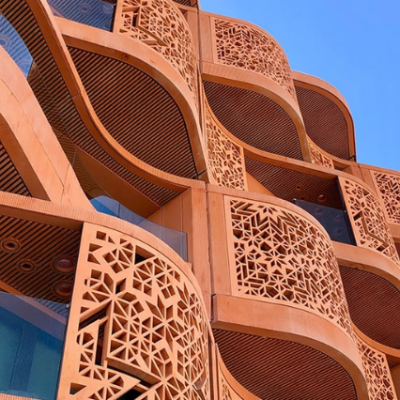
The Middle East is home to some of the most ambitious architectural developments in the world, from next-generation smart cities to futuristic entertainment districts and sustainable urban expansions. These environments require color solutions that go far beyond decorative value. Architects and planners increasingly rely on advanced coatings that withstand harsh climates, provide UV resistance, enhance energy efficiency, and maintain vibrant tones even under extreme environmental stress.
Countries such as the United Arab Emirates and Saudi Arabia lead this momentum with landmark developments that rely heavily on cutting-edge pigments and coatings. Heat reflective technologies, long-lasting façade coatings, anti-corrosion systems, and innovative surface treatments have become essential for large-scale projects. This construction boom has created a sustained and growing demand for high-performance color solutions that meet the region’s unique climatic and architectural needs.
As cities expand and diversify, so does the call for specialized coatings that align with new sustainability guidelines, aesthetic standards, and functional requirements. This is one of the most significant forces propelling the Middle East into a leading role in global color technology demand.
Industrial Transformation and the Rise of Manufacturing Powerhouses
Beyond architecture, a remarkable shift is taking place in the region’s industrial landscape. Automotive assembly, aerospace maintenance, electronics manufacturing, marine operations, and oil and gas supply chains are all sectors where advanced coatings serve as critical components for quality and protection. The growing industrial base in the Middle East has led to an increased reliance on color solutions engineered with precision, durability, and technical performance.
Marine coatings designed to prevent biofouling, specialized paints that resist chemical exposure in oil and gas facilities, and protective finishes used in aviation engineering are now widely deployed. These industrial sectors demand coatings that enhance safety, extend equipment lifespan, and improve operational reliability.
This rising industrial diversification means companies are investing in high-performance pigments, specialty coatings, and technologically enhanced formulations. The region’s shift toward local production and value-added manufacturing has also sparked interest in modern color management systems, spectrophotometry, and digital color matching tools. The result is a strong ecosystem that supports both innovation and large-scale application of color technologies.
A Cultural Identity Rich in Color and Expression
While technology and industry fuel the demand, culture adds depth and direction to it. The Middle East has a long and celebrated relationship with color, seen in traditional architecture, textiles, art, and design. These influences continue to shape modern preferences and inspire contemporary applications.
Designers across the region draw from historic palettes but reinterpret them through modern materials and scientific innovations. The fusion of cultural storytelling with advanced color science has created a distinctive visual identity that is both rooted in heritage and aligned with global design trends. This blend of old and new fuels a unique regional demand that global color manufacturers cannot ignore.
Furthermore, the region’s thriving retail, hospitality, and luxury markets place a premium on differentiation through color. Experiential design is becoming central to brand expression, boosting demand for specialty finishes, artistic coatings, immersive retail color scapes, and bold architectural statements.
Innovation, Sustainability, and the Shift to Smart Solutions
A crucial aspect of the Middle East’s growing influence in color technologies is the region’s accelerating move toward sustainability. As nations pursue carbon neutrality goals and environmental transformation, industries are adopting eco-friendly coatings, water-based pigments, low-emission formulations, and recyclable materials.
Green buildings now require color solutions that contribute to energy efficiency, such as heat reflective coatings that reduce cooling loads. Solar reflective roofs, smart pigments, and environmentally responsible manufacturing processes are becoming standard expectations rather than optional features.
Alongside sustainability, innovation plays a defining role. Nanotechnology-based coatings, self-cleaning surfaces, antimicrobial finishes, and intelligent materials that respond to light or temperature changes are gaining traction. The Middle East, with its investment power and forward-looking development strategies, serves as an ideal environment for piloting and deploying these advanced color solutions.
Conclusion
The rise of the Middle East as a global hub for color technologies is the outcome of interwoven cultural, industrial, and developmental forces. Mega projects require resilience and innovation. Industries demand precision and performance. Designers seek rich and expressive palettes. Sustainability mandates eco-friendly solutions. And consumers increasingly value identity through color.
Together, these factors form a powerful growth engine that positions the Middle East as one of the most influential regions shaping the future of global color technology. The momentum continues to build, promising new research, breakthroughs, and opportunities for every sector where color matters.
Also Read :- Digital First Strategy in the Middle East: Reimagining Workflows, Workforces, and Workplace Design