The construction industry has long been a symbol of progress, yet it also stands as one of the largest contributors to global waste and carbon emissions. In recent years, a new philosophy has begun reshaping the field, known as circular construction. This approach seeks to turn waste into worth by rethinking how materials are designed, used, and reused. Instead of following the traditional “take, make, dispose” model, circular construction embraces a closed-loop system where resources remain in circulation for as long as possible. Across the Middle East, this concept is gaining remarkable traction as countries pursue sustainability goals, diversify their economies, and envision smart, resilient cities of the future.
The Concept of Circular Construction
Circular construction is based on the principle of minimizing waste and maximizing value at every stage of a building’s life cycle. It focuses on designing structures that can be easily disassembled, reused, or recycled when they reach the end of their functional life. This philosophy is not limited to materials alone; it also influences how architects, engineers, and policymakers approach the entire building process. The aim is to view buildings as temporary material banks rather than permanent structures, where every element can one day be repurposed for a new use.
Driving Change in the Middle East
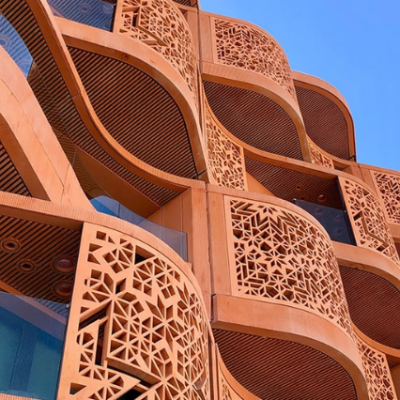
The Middle East is undergoing an extraordinary transformation in its construction landscape. As nations such as the United Arab Emirates, Saudi Arabia, and Qatar invest in smart city initiatives and sustainable infrastructure, the principles of circular construction are increasingly being woven into planning and execution. Mega projects like NEOM and Masdar City are adopting circular strategies, focusing on reducing waste, reusing materials, and integrating renewable resources into every layer of their design.
Materials That Make a Difference
The foundation of circular construction lies in the materials themselves. Innovative solutions such as low-carbon concrete, recycled steel, and modular components are revolutionizing how structures are built. Modular construction, in particular, has become a game-changer, allowing buildings to be assembled and disassembled with ease, thereby extending the life of each component.
Reclaimed materials are also gaining popularity. Old bricks, timber, and glass are being repurposed into new developments, giving historical materials a second life. Meanwhile, researchers in the region are exploring the use of waste byproducts such as fly ash and slag in cement production, turning what was once industrial waste into valuable resources for construction.
Economic and Environmental Benefits
Circular construction is not only an environmental necessity but also an economic opportunity. By designing for reuse and recycling, developers can significantly reduce material costs over time. The approach also decreases dependence on imported raw materials, enhancing local supply chain resilience.
From an environmental perspective, circular construction dramatically reduces landfill contributions and greenhouse gas emissions. Every reused brick or recycled metal beam translates into fewer natural resources being extracted and less energy being consumed. Over time, this can help cities move closer to their carbon neutrality targets while creating healthier and more sustainable living environments.
Challenges and Opportunities Ahead
Despite its promise, the path to circular construction is not without challenges. The industry faces limitations in recycling infrastructure, regulatory frameworks, and the availability of trained professionals who understand circular design principles. Additionally, many existing buildings were not constructed with future reuse in mind, making the transition more complex.
However, these challenges also present new opportunities. Governments, academic institutions, and private sector players are collaborating to develop advanced recycling technologies and create awareness around the benefits of circular construction. Education and innovation are playing critical roles in reshaping the mindsets of engineers and architects, inspiring a new generation of professionals committed to sustainability.
The Role of Technology
Technology serves as a crucial enabler in circular construction. Digital tools such as Building Information Modeling (BIM) allow for precise tracking of materials from design through demolition. This data-driven approach helps planners understand how materials can be recovered and reused in future projects. Artificial intelligence and blockchain technologies are also emerging as powerful tools to improve supply chain transparency and optimize material flows across construction sites.
A Vision for the Future
Circular construction represents a new era in the built environment, one where waste is no longer seen as an inevitable byproduct but as a resource full of potential. In the Middle East, this vision aligns perfectly with national sustainability agendas and the growing emphasis on smart, green cities. By embracing circular principles, the region is not only addressing environmental concerns but also setting a global example of innovation and responsibility.
The future of construction will depend on how effectively the industry can adopt this circular mindset. It calls for collaboration among governments, businesses, researchers, and communities. The rewards, however, are immense: a cleaner planet, a stronger economy, and a legacy of intelligent, regenerative design that turns waste into enduring worth.
Also Read :- Business Minds Media for more information