Canada’s logistics and supply chain sector is experiencing a major technological transformation. As global trade grows more complex and consumer expectations demand faster deliveries, companies are turning to advanced technologies to improve efficiency and reliability. Among the most influential developments driving this change are AI and automation in logistics, which are reshaping how supply chains operate across the country.
From automated warehouses to intelligent route optimization systems, artificial intelligence and automation are enabling logistics companies to streamline operations, reduce costs, and improve accuracy. These technologies are helping Canada’s supply chain industry adapt to evolving economic demands while strengthening its position in global trade networks.
The Growing Role of AI in Supply Chain Operations
Artificial intelligence is transforming how logistics companies analyze data and make decisions. Supply chains generate enormous volumes of information, including inventory levels, shipping schedules, customer demand patterns, and transportation routes. Through AI and automation in logistics, companies can analyze this data quickly and identify patterns that would otherwise be difficult to detect.
AI-powered systems help predict demand fluctuations, allowing companies to adjust production and inventory levels accordingly. This reduces the risk of shortages or excess inventory, improving overall supply chain efficiency.
Predictive analytics is another important application of artificial intelligence. By studying historical shipping data, AI tools can forecast potential disruptions such as weather delays, port congestion, or transportation bottlenecks. Logistics managers can then take proactive measures to minimize disruptions and maintain consistent delivery schedules.
These capabilities demonstrate how AI and automation in logistics are helping Canadian companies make smarter, data-driven decisions.
Automation Transforming Warehousing and Distribution
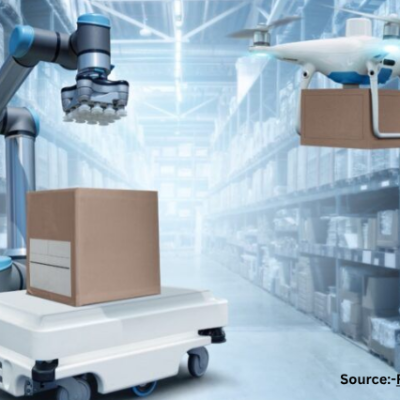
Warehouses are among the most visible areas where automation is transforming logistics operations. Modern distribution centers increasingly rely on robotics and automated systems to manage inventory, sort packages, and prepare shipments.
Through AI and automation in logistics, robotic systems can pick and pack products with remarkable speed and accuracy. Automated guided vehicles (AGVs) move goods within warehouses, reducing the need for manual handling and improving workplace safety.
Automation also enables companies to process larger volumes of orders while maintaining accuracy. This is particularly important as e-commerce continues to expand rapidly across Canada. With online retailers promising faster delivery times, logistics providers must handle higher order volumes while minimizing errors.
Improving Transportation Efficiency with AI
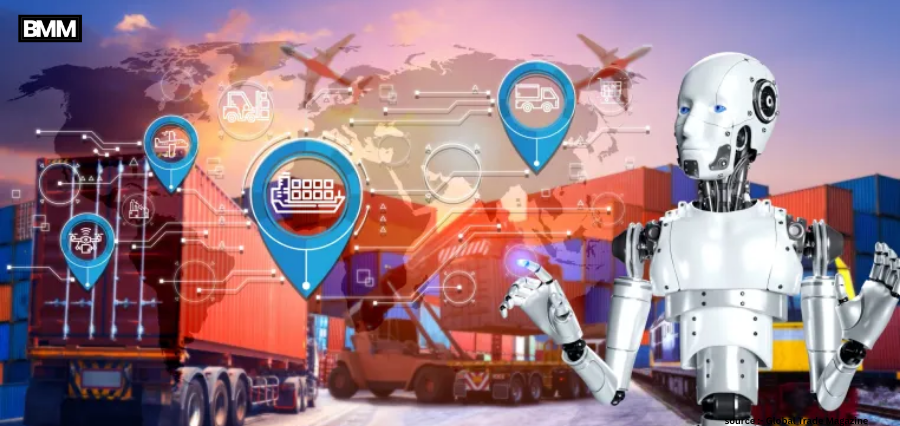
Transportation is another key area where AI and automation in logistics are reshaping Canada’s supply chain industry. Intelligent route optimization systems use AI algorithms to analyze traffic patterns, fuel consumption, delivery schedules, and weather conditions.
These systems identify the most efficient routes for delivery vehicles, helping companies reduce travel time and fuel usage. By optimizing routes, logistics providers can lower operational costs while also reducing environmental impact.
AI-powered fleet management systems also monitor vehicle performance and driver behavior. Sensors installed in trucks can collect data on engine performance, fuel consumption, and maintenance requirements. This information allows companies to schedule preventive maintenance and avoid costly breakdowns.
In addition, autonomous vehicle technology is gradually emerging as a potential solution for long-haul transportation. While fully autonomous trucks are still being tested, ongoing research and pilot projects suggest that automation could eventually transform freight transportation in Canada.
Enhancing Visibility Across Supply Chains
One of the major challenges in logistics is maintaining visibility across complex supply chain networks. Companies often rely on multiple transportation providers, warehouses, and distribution centers to deliver products to customers.
Through AI and automation in logistics, advanced tracking systems provide real-time visibility into shipments and inventory movements. Digital platforms allow logistics managers to monitor shipments from origin to destination, ensuring transparency and accountability.
Real-time tracking systems also enable companies to respond quickly to disruptions. If delays occur due to weather conditions or transportation issues, AI-powered systems can recommend alternative routes or transportation options.
Improved visibility benefits both businesses and customers. Companies gain better control over their supply chains, while customers receive more accurate delivery updates and improved service reliability.
Addressing Workforce Challenges
Canada’s logistics industry has faced workforce shortages in recent years, particularly in roles such as warehouse operations and transportation. AI and automation in logistics are helping address some of these challenges by reducing reliance on manual labor for repetitive tasks.
Automated systems can perform physically demanding tasks such as lifting heavy packages or sorting large volumes of items. This not only improves efficiency but also reduces workplace injuries.
However, automation does not eliminate the need for human expertise. Instead, it creates new opportunities for skilled workers in areas such as data analysis, technology management, and supply chain strategy. Employees are increasingly required to work alongside advanced technologies, using digital tools to monitor and optimize logistics operations.
The Future of AI-Driven Logistics in Canada
The adoption of AI and automation in logistics is expected to accelerate as Canadian companies continue investing in digital transformation. Emerging technologies such as machine learning, advanced robotics, and autonomous transportation systems will further enhance supply chain capabilities.
As global trade becomes more interconnected, efficient logistics systems will be essential for maintaining Canada’s competitiveness in international markets. Companies that embrace technological innovation will be better equipped to manage complex supply chains and respond to changing market conditions.
Also Read :- Business Minds Media for more information