
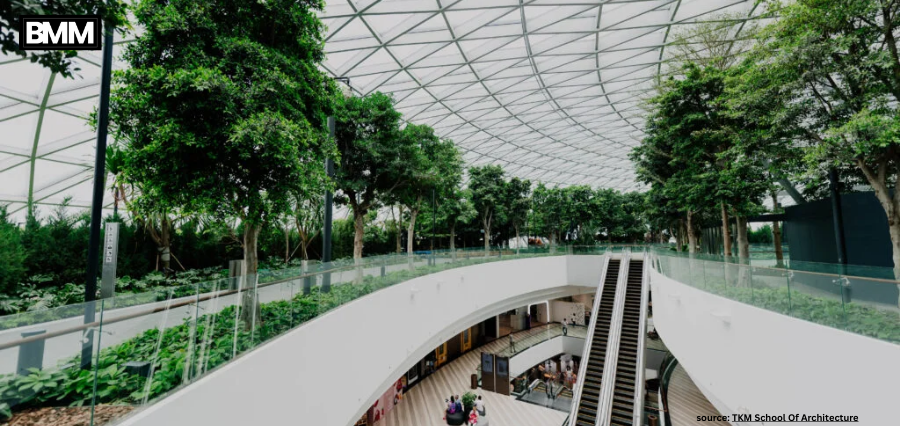
As climate change continues to reshape our world, architecture stands at the intersection of creativity, sustainability, and responsibility. Buildings are no longer static structures that merely provide shelter; they have become living systems that must adapt to shifting environmental conditions, conserve energy, and minimize carbon footprints. Climate-responsive architecture has emerged as both a philosophy and a necessity, redefining how we design, construct, and inhabit spaces in the 21st century.
Rethinking the Relationship Between Buildings and Nature
Traditional architecture often prioritized form and aesthetics over environmental harmony. Today, architects are reimagining that relationship by designing structures that work with nature instead of against it. This approach begins with a deep understanding of local climates, landscapes, and ecosystems. For example, buildings in arid regions are now designed to capture and reuse water, while structures in tropical zones emphasize ventilation and shading to reduce heat gain. The goal is to create buildings that respond intelligently to their surroundings, using natural resources efficiently and maintaining comfort without excessive reliance on artificial systems.
Harnessing the Power of Passive Design
At the heart of climate-responsive architecture lies the principle of passive design. Rather than relying heavily on mechanical heating and cooling, architects are turning to strategies that harness the natural environment. Techniques such as strategic orientation, thermal massing, shading devices, and natural ventilation are increasingly integrated into modern designs. A well-positioned window can capture sunlight in winter, while extended eaves or green facades can keep interiors cool in summer. These methods, though simple, are profoundly effective in reducing energy consumption and carbon emissions, offering a sustainable alternative to conventional building systems.
Material Matters: Building with the Earth in Mind
Material selection plays a vital role in shaping sustainable architecture. Climate-responsive design favors locally sourced, renewable, and low-impact materials. Traditional materials like clay, bamboo, and timber are being rediscovered for their natural insulation properties and minimal environmental footprint. Meanwhile, innovations in green materials, such as carbon-negative concrete and recycled composites, are pushing the boundaries of what sustainable construction can achieve. The focus has shifted from building quickly and cheaply to building consciously and durably, ensuring structures that stand the test of time while treading lightly on the planet.
Technology as a Catalyst for Sustainability
While climate-responsive architecture draws heavily from nature, it also embraces cutting-edge technology. Smart systems that monitor temperature, humidity, and light are now being integrated into building design to optimize performance in real time. Digital modeling and simulation tools allow architects to analyze environmental data before construction even begins, predicting how a building will behave in various conditions. This fusion of technology and environmental intelligence enables the creation of spaces that are both efficient and adaptive, bridging the gap between modern innovation and ecological sensitivity.
Urban Resilience and the Future of Cities
As cities continue to grow, the principles of climate-responsive design are becoming crucial for urban resilience. Urban heat islands, rising sea levels, and extreme weather events demand that cities be designed with flexibility and foresight. Green roofs, vertical gardens, and permeable pavements are transforming urban landscapes, reducing heat and managing stormwater more effectively. Architects are increasingly involved in urban planning, advocating for designs that integrate green infrastructure and renewable energy systems. The city of the future will not be defined by concrete and glass alone, but by its ability to coexist with natural forces.
Cultural Continuity Through Sustainable Design
Climate-responsive architecture is not only about technology and environment, it is also about people, culture, and heritage. Many of the world’s most sustainable design practices are rooted in indigenous and vernacular traditions that evolved in response to local climates. Reviving and modernizing these traditional methods offers valuable lessons in resilience and adaptation. By integrating cultural wisdom with modern science, architects can create designs that are environmentally sound and deeply connected to place and identity.
Conclusion
The shift toward climate-responsive architecture marks one of the most transformative moments in the history of design. It challenges architects to think beyond aesthetics and function, urging them to take responsibility for the ecological impact of their creations. The buildings of tomorrow must not only shelter us but also sustain us and the planet we call home. As we face an uncertain climatic future, architecture has the power to become a force for healing, designing not just for comfort and beauty, but for balance, harmony, and survival.
Also Read :- Middle East’s Most Creative Design & Architecture Leaders to Watch