
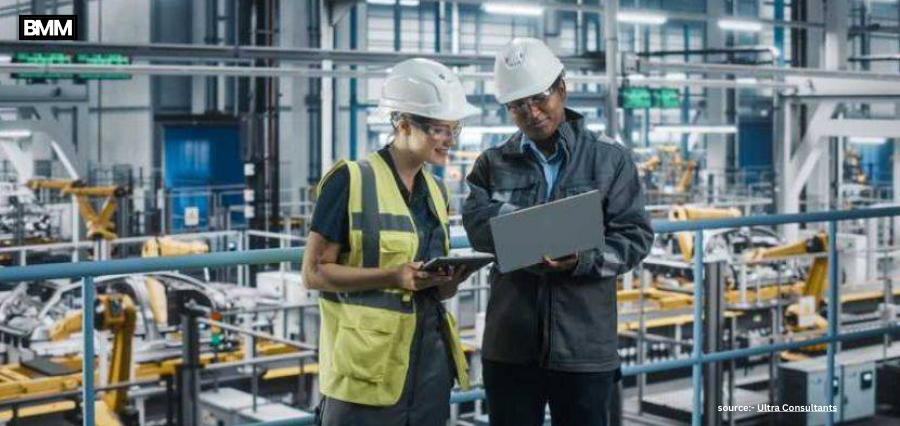
Europe’s manufacturing landscape is undergoing a significant transformation. As global markets evolve at unprecedented speed, traditional manufacturing models are giving way to more responsive and adaptable structures. Among these, agile contract manufacturing has emerged as a defining force, enabling companies to innovate faster, optimize costs, and bring high-quality products to market with greater precision. From pharmaceuticals to electronics and consumer goods, European firms are increasingly adopting agile approaches to meet fluctuating demands, navigate global supply chain disruptions, and maintain competitiveness in a digitally driven world.
Agile contract manufacturing is more than a model; it is a mindset rooted in flexibility, collaboration, and rapid iteration. It represents a shift from rigid production cycles to dynamic frameworks capable of responding to market shifts in real time. In Europe, where regulations are strict, consumer expectations are high, and operational efficiency is non-negotiable, this evolution has become both essential and empowering.
Agility as a Competitive Advantage in European Markets
In today’s accelerated business environment, agility has become synonymous with survival. European industries face unique pressures, ranging from strict compliance requirements to complex cross-border logistics and increasingly conscious consumer behavior. Agile contract manufacturers address these challenges by offering modular production capacities, technology-enabled forecasting, and flexible supply chain integration.
For many European brands, partnering with agile manufacturers means more than outsourcing production. It means gaining strategic allies who can scale output instantly, adjust product lines without lengthy downtime, and ensure regulatory alignment across multiple markets. This competitive edge allows companies to introduce new products faster and pivot seamlessly, especially during periods of uncertainty or global disruption.
Technology as the Backbone of Agile Manufacturing
Digital transformation has played a fundamental role in enabling agility. European contract manufacturers are increasingly adopting Industry 4.0 technologies, automation, IoT sensors, robotics, AI-driven analytics, and digital twins, to create intelligent and responsive production environments.
These technologies empower manufacturers to:
- Predict demand fluctuations more accurately
- Streamline workflows through real-time monitoring
- Reduce waste and downtime with predictive maintenance
- Enhance traceability and quality control across the value chain
For example, AI-enabled planning tools allow manufacturers to simulate multiple production scenarios and adjust operations proactively. Robotics improves efficiency while maintaining high safety and quality standards. IoT-based systems offer end-to-end visibility, making it easier for clients to track production progress with transparency.
This digital backbone strengthens Europe’s position as a global leader in advanced manufacturing, creating smart factories that are not only efficient but deeply resilient.
A Post-Pandemic Shift Toward Resilience and Localization
The pandemic highlighted vulnerabilities in global supply chains and accelerated the shift toward local and regional manufacturing. European companies began rethinking their dependency on far-flung production hubs, opening new opportunities for domestic contract manufacturers.
Agile manufacturing aligns perfectly with this shift. Its localized, flexible nature helps companies shorten lead times, reduce logistics risk, and enhance operational control. This trend is especially visible in sectors such as pharmaceuticals, medical devices, food and beverages, and specialty chemicals, where quality assurance and regulatory oversight are paramount.
Contract manufacturers that embraced agility early on are now leading the regional reshoring movement, offering solutions that prioritize resilience without compromising cost competitiveness.
Sustainability as a Driving Force
As Europe continues its push toward a greener economy, sustainability has become a central pillar of agile manufacturing. Agile contract manufacturers are integrating eco-friendly production methods, renewable energy systems, circular waste strategies, and responsible sourcing into their operations.
Sustainability and agility are deeply intertwined. Agile frameworks reduce material waste, optimize energy use, and promote continuous improvement, all of which contribute to reduced environmental impact. Many European firms now choose contract manufacturers based not only on capacity and pricing but also on their sustainability credentials.
This alignment supports Europe’s broader climate goals while strengthening manufacturers’ brand reputation and long-term viability.
Collaborative Partnerships Fueling Innovation
One of the defining characteristics of agile contract manufacturing is its emphasis on collaboration. Instead of operating as distant service providers, agile manufacturers work closely with brands throughout the entire product lifecycle, from concept and prototyping to scaling and distribution.
This partnership-driven approach fosters innovation by:
- Enabling faster prototyping and testing
- Ensuring constant feedback loops
- Allowing rapid redesigns and customization
- Sharing expertise to refine product development
The result is a dynamic ecosystem where manufacturers and brands co-create solutions, accelerating time-to-market and elevating product quality.
The Future Outlook: Europe as a Global Hub for Agile Manufacturing
As demand for flexibility continues to rise, Europe is poised to cement its position as a global hub for agile contract manufacturing. The region’s strong regulatory framework, skilled workforce, technological leadership, and commitment to sustainability make it an ideal environment for agile growth.
Over the next decade, Europe will likely witness:
- Increased digital integration across manufacturing networks
- Growth of modular, smart micro-factories
- Stronger public-private innovation initiatives
- More partnerships between tech startups and manufacturers
- Elevated demand for sustainable and customized solutions
Agile contract manufacturing is no longer an emerging concept, it is the future of production. Europe’s rapid adoption of this approach positions it at the forefront of global manufacturing excellence.
Conclusion
The rise of agile contract manufacturing in Europe reflects a broader shift toward flexibility, innovation, and collaboration. As markets evolve and industries face complex challenges, agility offers a powerful path forward, one that enables companies to respond quickly, innovate continuously, and thrive sustainably. For Europe, this transformation is redefining its manufacturing identity and shaping a future where adaptability is the ultimate competitive advantage.
Also Read :- Business Minds Media For More information