
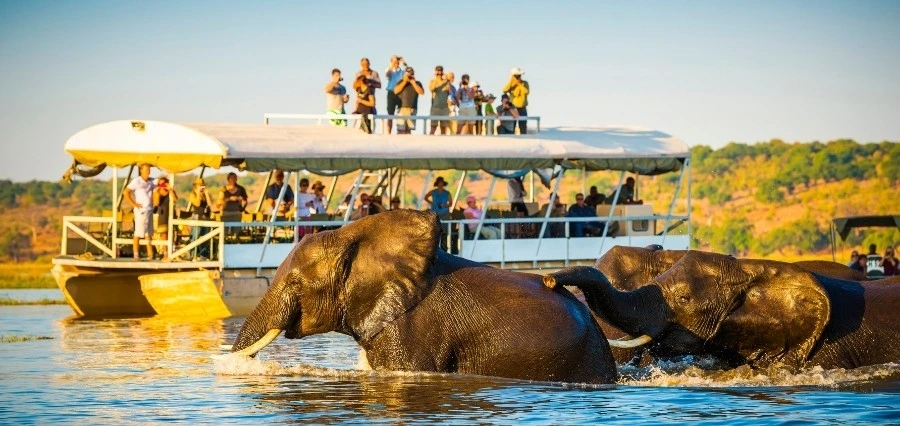
Africa’s tourism industry is entering a period of significant transformation. Home to remarkable wildlife, extensive coastlines, historic cities, diverse cultures, and rapidly growing urban centres, the continent possesses tourism assets that few regions can match. Yet many destinations continue to operate below their full potential because of gaps in accommodation, transport, digital infrastructure, destination marketing, and visitor services.
For investors, African Tourism Investment Opportunities extend across a broad ecosystem that includes hotels, eco-lodges, transport services, digital travel platforms, entertainment, conservation projects, and tourism infrastructure. The scale of opportunity lies not simply in attracting more visitors but in building the systems, services, and experiences required to support tourism growth over the coming decades.
Why Africa’s Tourism Industry Is Attracting Investment
The question Why invest in Africa’s tourism industry is increasingly relevant as the continent experiences population growth, urban development, infrastructure expansion, and rising regional mobility. Tourism investment is no longer dependent entirely on international visitors. A growing middle class and increased interest in domestic and intra-African travel are creating additional demand for accommodation, leisure activities, business travel, and cultural experiences.
There are several other African nations that have implemented policies meant to enhance tourism competitiveness. The development of air, road networks, visa policies, destination marketing, and connectivity within the region has made some of these destinations much more accessible. The introduction of online payment facilities and reservations has also helped to increase access to the tourism market.
There is also a lot of opportunity in Africa to make an early entry and invest in the continent. Even though there are certain destinations which have been able to get millions of visitors through time, there are other destinations with natural or cultural wealth that are underdeveloped.
Hospitality and Hotel Development
Accommodation continues to be one of the vital sectors for tourism development. There is a need for more business accommodations, serviced apartments, conference facilities, and international hospitality brands in major cities. Coastal areas, national parks, historical zones, and newly created tourism corridors provide an opportunity for the creation of resort accommodations, boutique accommodations, eco-lodgings, and indigenous accommodations.
The development of business travel has also impacted the needs of tourists. The developing business centers have the need for hotel facilities that can accommodate business travelers, international organizations, and other conferences and events. Shortage of quality hotel accommodations provides an opportunity for their development with an indigenous identity.
Hotel investment opportunities in Africa are not limited to luxury properties. Mid-range hotels, affordable accommodation, extended-stay facilities, and professionally managed independent properties may serve a broader group of travellers. Investors can also explore the renovation and repositioning of existing hotels rather than focusing exclusively on new construction.
Eco-Tourism and Conservation-Based Experiences
The natural environment of Africa continues to be among the top attractions of the continent in relation to tourism. Natural parks, forests, mountains, deserts, wetlands, and marine ecosystems attract tourists interested in activities related to the environment. The more people become environmentally aware, the more important the tourism projects that are environmentally responsible and cause minimum environmental damage are becoming.
Eco-lodges, wildlife-related activities, community-run parks, sustainable coastal resorts, and conservation-related tourism projects can provide an opportunity for earning revenue, contributing at the same time to natural resource conservation. It is essential for investors to remember about responsible development by taking into account such factors as environmental capacity, local property rights, wildlife, water usage, and interests of surrounding communities.
Attracting tourists, investors can implement renewable energy systems, sustainable building practices, waste disposal, and environmentally friendly transportation within tourist destinations.
Cultural and Community-Based Tourism
The rich cultural background in Africa provides avenues beyond conventional wildlife tourism. Some of the elements that can help establish unique travel products include music, food, art, architecture, festivals, heritage sites, indigenous knowledge, and traditional culture.
Community-based tourism ensures that local communities are part and parcel of the tourism development process. Investment could go towards establishing cultural centers, heritage tourism experiences, craft villages, food tourism, villages for overnight stays, cultural quarters, and community-run accommodations. Tourism income is likely to stay in the area if the community is actively involved in the process.
Among the Best investment opportunities in African tourism are projects that transform cultural heritage into meaningful visitor experiences without reducing traditions to commercial attractions. Successful development should protect cultural authenticity, ensure fair economic participation, and allow communities to determine how their heritage is represented.
Tourism Technology and Digital Platforms
The evolution of technology is affecting the way travelers explore destinations, compare services, make reservations, and organize trips. Nonetheless, many tourism organizations in Africa lack access to booking platforms, big data, marketing solutions, and financial services.
Opportunities for investment include apps for tourism, regional booking platforms, digital tour marketplace, multilingual travel services, virtual destinations, and tourism management software. Technology can be used to help small tourism companies, such as hotels and tours, interact with customers.
Platforms which are developed with consideration of the local environment may enjoy an advantage over foreign products. Services that facilitate regional payments, local languages, connectivity options, and small-scale tourism companies can improve the entire industry and build profitable business models.
Transport and Tourism Infrastructure
Tourism development relies heavily on the capability of tourists to access destinations in a safe and convenient way. One of the main obstacles faced in many regions is the lack of transport connections, especially in places where there are significant natural or cultural sites that are distant from big cities.
Funding for regional flights, airport operations, tourist transportation, car hire, railway journeys, ferries, and destination transfers will enhance accessibility. The development of infrastructure like visitor centers, roads, signs, Internet access, and other public facilities is also very important for enhancing travel.
For those asking Is African tourism a good investment in 2026, the answer may depend partly on whether investment is directed towards the wider systems supporting tourism rather than individual attractions alone. Destinations with coordinated transport, accommodation, technology, and visitor services may be better positioned to achieve sustainable growth.
Business Tourism and Major Events
Expanding cities in Africa provide business tourism opportunities. Events like conferences, exhibitions, business meetings, sports, festivals, and international summits create opportunities in terms of accommodation, transportation, food services, entertainment, and event planning. Investment in event centers, flexible event locations, business hotels, event technology, and destination services may provide an opportunity for cities to attract such regional and international events. Additionally, business travelers may stay longer for leisure purposes, providing an opportunity to link business tourism and leisure.
Hosting major events helps improve the image of destinations internationally, but sustainable benefits require developing infrastructure that will be utilized after each event.
Managing Risks Through Long-Term Planning
The process of tourism investments in Africa faces certain difficulties. Regulatory issues, infrastructural deficiencies, currency exchange rates, limited financial resources, political factors, climate issues, and disparities among national markets are possible factors impacting investment projects.
It is important not to treat Africa as one tourism market. There are different regulations, consumer behavior, infrastructural aspects, cultural specifics, and the degree of tourism development in each particular African country.
The question Why invest in Africa’s tourism industry should therefore be considered alongside where to invest, which tourism segment to enter, and how a project can create value for local communities. Responsible investment requires long-term planning rather than dependence on rapid visitor growth.
Building the Next Phase of African Tourism
The Best investment opportunities in African tourism are likely to emerge where commercial potential aligns with local development, environmental responsibility, and improved visitor experiences. Hotels, eco-tourism, technology, cultural travel, transport, and business events all offer possibilities, but their success will depend on how effectively they respond to the needs of individual destinations.
The growing range of Hotel investment opportunities in Africa also demonstrates the diversity of demand across luxury, business, mid-range, eco-friendly, and community-focused accommodation. Investors who understand local markets and build strong partnerships may be better prepared to create resilient tourism businesses.
Ultimately, Is African tourism a good investment in 2026 cannot be answered through visitor numbers alone. The continent offers significant potential, but successful investment will require market knowledge, responsible development, patient capital, and meaningful collaboration with governments, businesses, and communities. Africa’s tourism future will be shaped not only by the destinations travellers visit, but by the quality, accessibility, and sustainability of the experiences built around them.
Also Read :- Future Retail Shift: Building a Profitable E-commerce Business in the USA in 2026
FAQ
What is Brand USA Travel Week 2026?
Brand USA Travel Week 2026 is a premier travel trade event that brings together U.S. tourism organizations and international travel buyers. The event promotes travel to the United States through business meetings, networking opportunities, destination showcases, and industry insights, helping strengthen global tourism partnerships and boost inbound travel.
What are the best investment opportunities in Africa?
Africa offers strong investment opportunities in tourism, renewable energy, agriculture, technology, manufacturing, real estate, healthcare, and infrastructure. These sectors continue to attract both local and international investors due to growing demand and expanding markets.
Why is investment important for Africa's travel and tourism industry?
Investment supports the growth of Africa’s travel sector by improving hotels, transportation, tourism infrastructure, and visitor experiences. It also creates jobs, attracts international travelers, and contributes to long-term economic development.
What are the best hotel investment opportunities in Africa?
Hotel investment opportunities are strongest in major tourism destinations, business hubs, and emerging markets where demand for quality accommodation continues to rise. Luxury, mid-scale, and eco-friendly hotels are all seeing increased investor interest.
What is IBTM Africa?
IBTM Africa is a leading business events and meetings industry exhibition that connects event planners, suppliers, tourism boards, and hospitality professionals. It helps promote business travel, networking, and investment opportunities across Africa.
What are the most profitable businesses to start in Africa?
Some of the most profitable businesses in Africa include agribusiness, tourism services, e-commerce, fintech, renewable energy, manufacturing, logistics, healthcare, and digital technology solutions.
What are the top small business ideas in Africa?
Popular small business ideas include food processing, online retail, mobile payment services, tourism agencies, transport services, fashion, digital marketing, and agricultural businesses tailored to local markets.
Which startup sectors have the highest investment potential in Africa?
African startups in fintech, agritech, healthtech, edtech, clean energy, logistics, and artificial intelligence are attracting significant investment due to rapid innovation and increasing consumer demand.
Why is manufacturing becoming a major investment opportunity in Africa?
Manufacturing is expanding in Africa due to industrialization, favorable government policies, special economic zones, lower production costs, and increasing regional and global demand for locally produced goods.
What is the Africa Business Opportunities Dashboard?
An Africa Business Opportunities Dashboard is a platform that provides market insights, investment trends, industry data, and business opportunities, helping investors identify high-growth sectors across African countries.