
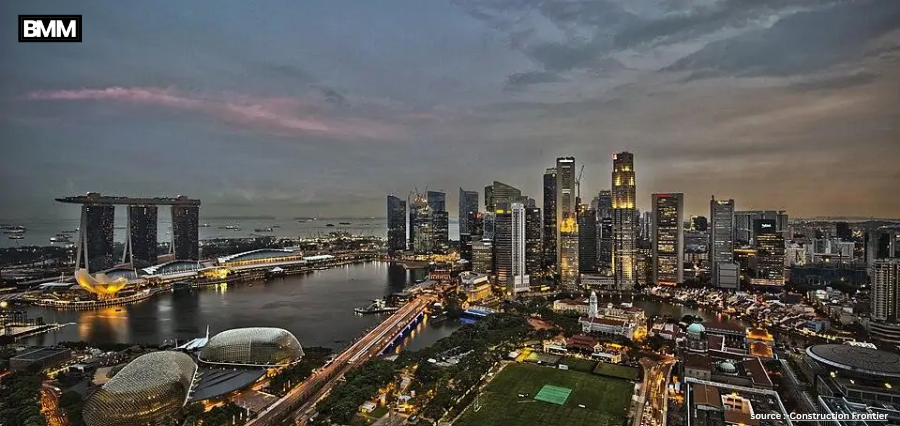
Urbanization is increasing rapidly across the world, and cities are under pressure to become more efficient, sustainable, and livable. This is where the concept of Smart Cities comes into focus. These modern urban spaces use technology, data, and intelligent systems to improve the quality of life for citizens. From better transportation to efficient energy use, this approach is transforming how people live, work, and interact within urban environments.
Understanding the Concept of Smart Cities
The concept of Smart towns is based on the integration of technology into the infrastructure for optimal resource management. It is not limited to digitalization only but focuses on building a technological ecosystem in which all systems function cohesively.
Smart towns rely on advanced technologies such as sensors and analytics as well as information networks for managing and monitoring various city utilities including traffic, garbage, water distribution systems, and energy use. Such an approach seeks to increase operational efficiency while reducing expenditures.
Another essential component of the idea of smart cities is the active involvement of citizens. Technologies enable people to engage in the process of city management and even participate in the decision-making processes.
Key Components That Define Smart Cities
In order to gain insight into the concept of Smarter Cities, it is essential to look at the components that facilitate their successful operations. Such components are necessary for creating a responsive and intelligent urban environment.
1.Smart Infrastructure
Such infrastructure is efficient and flexible. Buildings, roads, public places are all built and outfitted in such a way that usage can be monitored and optimized.
2. Smart Governance
Governments use digital technologies to provide citizens with fast and effective services. Online services are provided by the government.
3. Smart Energy and Environment
The management of energy is crucial for these cities. It includes using renewable sources, sustainable policies, and so on.
Benefits of Smart Cities to Society
The development of Smart Cities can be attributed to by many factors such as improving the standard of living. To begin with, efficiency means that congestion will be minimal and thus time-saving and easy access to resources. In addition, sustainability will be achieved since efficient resource usage results in low levels of pollution.
Finally, growth will be facilitated by better infrastructure, which will generate employment opportunities, thereby improving the economy.
Challenges in Creating these Cities
Even though the idea of creating Smart Cities sounds good, there are challenges that have to be considered for them to work effectively. In the first place, implementation expenses are high and, therefore, enough resources need to be considered. Besides, data protection is another concern considering that digitization will expose people to cyber security threats.
Another factor includes inclusivity of all citizens despite the availability of internet resources.
Role of Technology in Smart Cities
These Cities require technology as their primary infrastructure. Technologies such as IoT, artificial intelligence, and data analytics can effectively gather and analyze the data.
These cities use such technologies to facilitate decision-making and minimize waste while improving public services. The traffic system, for instance, can immediately respond to any changes in traffic flow, and utilities can anticipate potential disruptions well before they occur.
Future of Smart Cities
In the coming years, there will be significant developments in Smarter Cities. Technological advancements in automation, smart mobility, and digital services will transform the lives of residents.
Cities will become more interconnected, sustainable, and citizen-centric. The partnership between government agencies and the private sector will be instrumental in this transformation.
Conclusion
Overall, the idea of Smart Cities embodies futuristic thinking in urban development. With technology, infrastructure, and good governance, cities can operate efficiently and sustainably.
It is crucial that cities adopt the Smart Cities framework as the population continues to expand in urban areas.
Also Read :- Smart Cities of the Future: The Middle East’s Leap Toward Digital Urbanism