

NATO Tensions Rise as U.S. Reviews Options Against Allies Over Iran War Support

U.S. Reviews Options Against NATO allies Over Iran War Support | Business Minds Media

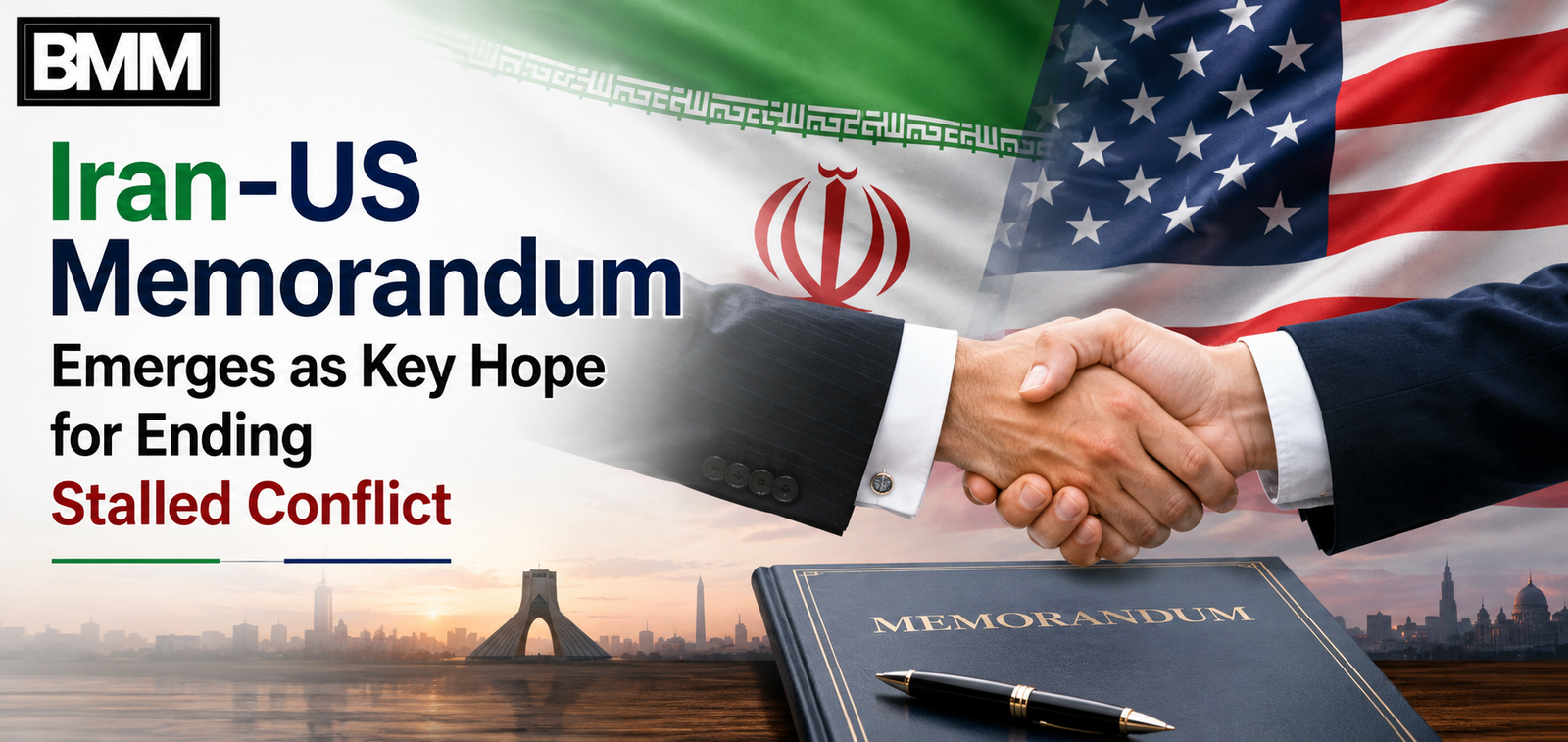
Tensions within the Western alliance have intensified after reports revealed that the U.S. Pentagon is reviewing policy options to respond to NATO allies that allegedly failed to support American military operations during the war with Iran. The growing debate over NATO alliance tensions has raised serious questions about the future of the 76-year-old security bloc.

According to a Reuters report, an internal Pentagon email outlined possible actions against countries seen as unwilling to provide access, basing, and overflight rights, commonly known as ABO, for U.S. military operations. These rights are considered critical for conducting large-scale defense missions and maintaining strategic readiness.

One of the most striking options reportedly discussed includes suspending Spain from important NATO positions and even reviewing U.S. support for Britain’s claim to the Falkland Islands.

Why NATO Alliance Tensions Are Increasing?

The most recent NATO alliance tensions are directly related to the situation between the United States, Israel and Iran. President Donald Trump has publicly condemned various NATO allies due to their unwillingness to completely support the U.S. activities, most notably not providing naval assistance to reopen the Strait of Hormuz once it was closed after the air war began on February 28.

Trump has made numerous claims to the effect that NATO allies enjoy American military protection yet they do not reciprocate such treatment when the U.S. is directly confronted with strategic adversaries. His exasperation has even gone to the extent of making public statements that he may withdraw the United States out of NATO altogether.

Trump answered the question of whether he would leave NATO allies by saying would you in an April 1 interview with Reuters, responding to queries about leaving NATO allies with the answer, Wouldn’t you, otherwise, answer me? This was a statement that further strained already strained transatlantic relations.

Spain at the Center of the Dispute

A key target of these NATO alliance tensions has been Spain, following its Socialist-led government purportedly rejecting the use of Spanish airspace and military bases by U.S. troops to attack Iran.

The U.S. has two very strategic military installations in Spain: Naval Station Rota and Moron Air Base. These facilities are key to American operations in Europe, Africa, and the Middle East.

As noted by the Pentagon email, the decision to suspend Spain from prestigious NATO positions would have had little operational impact but high symbolic value. It would act as a caution to other allies to risk political consequences of not contributing to U.S. defense priorities.

Wider Concerns About NATO’s Future

The Iran war between the U.S. and Israel has sparked greater questions on the cohesiveness and long-term viability of NATO. Analysts and diplomats cautiously note that these increasing tensions in the NATO alliance may harm the confidence of member states, and leave doubts on whether the United States would fully protect European allies in case they were to encounter military threats.

Britain, France and some of the other members of NATO have maintained that they would effectively be joining in the war with Iran by joining a U.S. naval blockade in the Strait of Hormuz. They have rather signaled their readiness to contribute to maritime security only once a ceasefire or an official termination of the conflict.

Such strategic differences have led to a grave rift between Washington and some of the European capitals.

Pentagon’s Message to European Allies

Pentagon Press Secretary Kingsley Wilson came to the defense of the administration, saying that even though America had been a long-time military ally to NATO, some of these allies failed to turn up when the U.S. needed them the most.

He added that the Department of Defense is making efforts to offer President Trump credible alternatives so that NATO members can do their bit and that the alliance does not turn into a paper tiger, as he put it.

Authorities indicate that the larger aim of these policy debates is to lessen what is perceived by the administration as an increasing sense of entitlement among European allies.

Conclusion

The recent NATO alliance tensions indicate a more fundamental discussion on burden sharing, military responsibility, and the future trajectory of Western military cooperation. Although nothing has been declared yet, the internal deliberations of the Pentagon indicate that Washington might be willing to make more decisive action against allies it feels are not doing enough.

With the global security issues becoming increasingly more critical, the result of such tensions might redefine the structure of NATO, the role of America in Europe as well as the power balance in the alliance itself.

Also Read : –Taiwan Conducts Coast Guard Drills on Itu Aba Island Amid South China Sea Tensions