
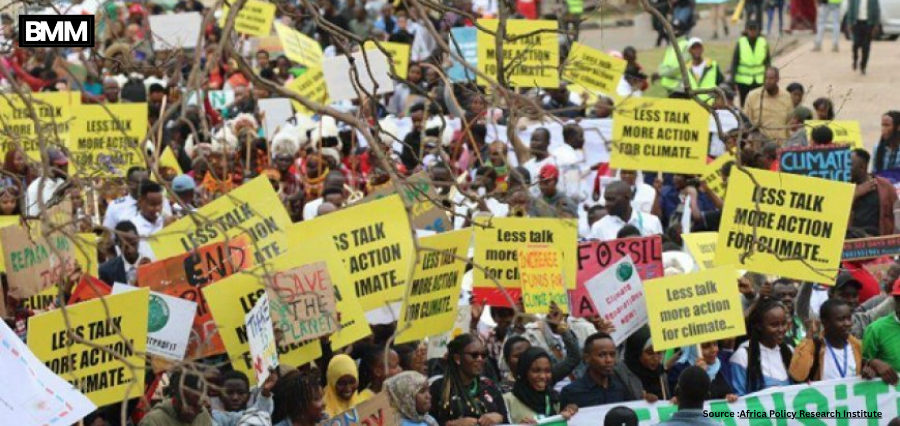
The future of democracy in Southern Africa depends heavily on the engagement of its youth. With a rapidly growing population of young people, the region has an unprecedented opportunity to harness their energy, creativity, and innovative ideas for social transformation. Active citizenship is more than casting a vote; it is about participating in community development, influencing policy decisions, and holding governments accountable. When young people are informed and empowered, they strengthen democratic institutions and create societies that are more inclusive, responsive, and resilient.
Beyond Voting: Civic Participation in Action
Youth engagement spans a wide range of civic activities. Participation in democracy in Southern Africa community projects, youth councils, and advocacy initiatives provides young people with practical experience in decision-making and leadership. By contributing to social initiatives and policy discussions, youth influence outcomes in ways that go beyond electoral processes. Their involvement ensures that governance reflects the interests and concerns of younger generations, helping to bridge the gap between communities and government institutions.
Education as the Foundation of Active Citizenship
Education plays a crucial role in preparing youth for active participation in democracy. Schools and universities teach the principles of governance, human rights, and civic responsibility. Complementing formal education, youth organisations and community programmes offer practical experiences in leadership, advocacy, and problem-solving. These platforms allow young people to address social and economic challenges in their communities, fostering confidence, critical thinking, and a sense of responsibility toward collective well-being.
Harnessing Digital Platforms for Civic Engagement
The rise of social media and digital technology has transformed how youth engage with political and social issues which arise democracy in Southern Africa . Platforms such as Twitter, Instagram, and Facebook enable young people to share ideas, mobilise peers, and campaign for causes ranging from environmental protection to education reform. While digital engagement expands reach, it also introduces challenges including misinformation and unequal access to technology. Building digital literacy ensures that online participation promotes democratic values and informed decision-making.
Inclusivity in Youth Engagement
For civic engagement to be meaningful, it must be inclusive. Young women, rural youth, and individuals with disabilities often face barriers to participation democracy in Southern Africa . Targeted initiatives that provide mentorship, safe spaces for dialogue, and resources for skill-building are critical to ensuring all youth can engage effectively. When young citizens from diverse backgrounds participate, democratic processes become more representative and policies reflect the needs of society as a whole.
Government and Civil Society as Catalysts
Governments and civil society organisations are essential in supporting youth engagement. Policies establishing youth councils, advisory boards, and volunteering programmes create formal pathways for participation. Partnerships with educational institutions and NGOs provide practical opportunities for young people to influence decision-making. Recognising and celebrating youth contributions also motivates greater involvement, fostering a culture of active citizenship and accountability across communities.
Youth-Led Initiatives Driving Change
In Southern Africa, young leaders are tackling pressing challenges including climate change, gender inequality, and access to quality education. By initiating community projects, lobbying for policy reform, and participating in civic discourse, youth demonstrate the transformative potential of active citizenship. Their efforts highlight the importance of including youth perspectives in governance, ensuring that decisions reflect the aspirations and concerns of future generations.
Overcoming Challenges and Building Capacity
Despite growing interest in civic engagement, youth often encounter obstacles such as limited resources, lack of mentorship, and political marginalisation democracy in Southern Africa . Addressing these challenges requires sustained investment in capacity-building initiatives. Workshops, leadership training, and access to platforms for public dialogue empower youth to engage confidently in democratic processes. Building these capabilities equips young citizens to navigate complex social and political environments effectively.
Conclusion: Investing in the Next Generation
Active citizenship is both a right and a responsibility. Supporting youth engagement today lays the foundation for stronger, more accountable democracies tomorrow. By investing in education, mentorship, digital literacy, and inclusive platforms, Southern African societies can harness the potential of their youth to drive social and political change. Empowered young citizens become agents of equitable development, advocates for justice, and guardians of democratic values. Their active participation ensures that Southern African democracies are resilient, responsive, and capable of meeting the challenges of the future.
Also Read :- Business Minds Media for More information