
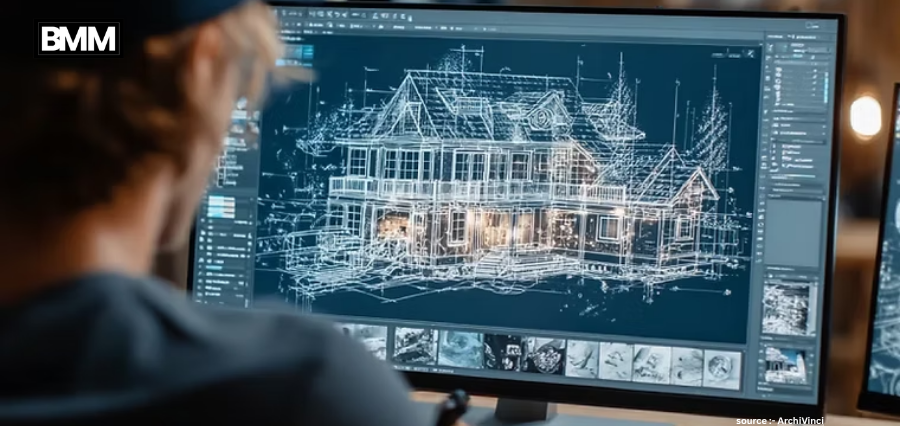
The relationship between technology and creativity has always been one of tension and inspiration. From the invention of the printing press to the rise of digital design, every technological leap has expanded the horizons of artistic expression. Yet today, this relationship is evolving in ways that challenge our very definition of creativity itself. Artificial intelligence, augmented reality, generative design, and virtual production are not only changing how we create but also who or what can be called a creator. The new aesthetic is emerging at the intersection of human imagination and machine intelligence, reshaping art, design, and storytelling across every medium.
The Fusion of Art and Algorithm
In the past, art was defined by human intuition and emotional depth. Today, algorithms are joining that conversation, generating visuals, music, and narratives that rival human creativity. Artists and designers are no longer working in isolation but are collaborating with intelligent systems that suggest patterns, compositions, and color palettes in real time. This partnership between human and machine does not diminish creativity; rather, it amplifies it.
Generative art tools, for example, allow creators to explore infinite variations of a single concept, uncovering aesthetic possibilities that would have been unimaginable through manual processes. The artist becomes a curator of outcomes, guiding the machine through prompts, choices, and constraints that reflect their unique vision. The process blurs the line between control and spontaneity, giving rise to artworks that embody both computational precision and emotional resonance.
Immersive Experiences and the Expansion of Reality
Technology is also redefining the boundaries of artistic space. Through augmented and virtual reality, creators are no longer confined to physical canvases or screens. They can now design worlds that surround, engage, and respond to the viewer. In these immersive experiences, the audience is not a passive observer but an active participant, shaping the narrative through interaction and movement.
Museums, galleries, and public installations are embracing this new dimension of creativity. A viewer might walk through a painting, touch a sculpture made of light, or step into a story where every choice alters the outcome. These experiences challenge the traditional hierarchy between artist and audience, transforming art into a dialogue rather than a display. The boundaries between creator, creation, and observer are dissolving, giving rise to a more inclusive and participatory form of artistic expression.
Artificial Intelligence as a Creative Partner
Artificial intelligence is not just a tool but a collaborator. In music, AI can compose melodies based on emotional tone and rhythm patterns. In design, it can generate brand identities and visual assets in minutes. In literature, it can suggest metaphors, plot twists, and stylistic variations. Yet the most fascinating aspect of AI-driven creativity lies not in automation but in co-creation.
Human creators bring emotion, intent, and context, while AI contributes data, analysis, and variation. Together, they produce outcomes that neither could achieve alone. This symbiotic relationship represents a new chapter in creative evolution, one that transcends the boundaries of individual capability. However, it also raises profound philosophical questions about authorship and originality. When an artwork is the result of both human imagination and machine intelligence, who is the true artist?
The Democratization of Creation
Perhaps the most transformative aspect of technology in creativity is accessibility. What was once limited to those with specialized training or resources is now open to anyone with a smartphone or laptop. Digital tools, open-source software, and online platforms have turned millions into creators, storytellers, and innovators.
This democratization of creativity has given rise to new voices, new aesthetics, and new movements that reflect the diversity of human experience. From independent filmmakers using virtual production to digital artists selling works as NFTs, technology is empowering creators to bypass traditional gatekeepers and reach global audiences directly. Creativity is no longer confined to studios or institutions; it thrives in the hands of everyday innovators who use technology to express their unique perspectives.
Ethics and the Future of Artistic Integrity
As New Aesthetic & technology continues to shape the creative landscape, questions of authenticity and ethics are becoming increasingly urgent. The ability of AI to mimic artistic styles and human expression challenges the notions of ownership and originality. Deepfake technology and AI-generated media also raise concerns about trust and manipulation.
The New Aesthetic future of creativity will depend on how society navigates these dilemmas. Transparency, attribution, and ethical design must become integral to the creative process. Artists and technologists will need to collaborate not only to push aesthetic boundaries but also to protect the integrity of creative expression.
Conclusion: The Human Pulse in a Digital Age
Technology has always been a reflection of human ambition, and the new aesthetic is no exception. While machines can analyze, predict, and generate, it is the human heart that gives art its purpose and meaning. The true power of technology lies not in replacing the artist but in expanding the palette of what is possible.
Also Read :- Business Minds Media For More information