
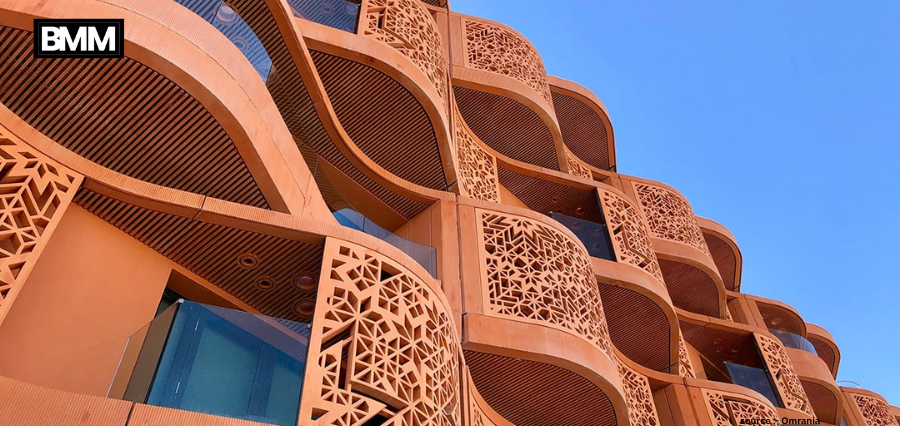
The Middle Eastern Architecture, a region long admired for its architectural grandeur, is undergoing a quiet yet powerful transformation. Where once the focus lay on soaring towers and extravagant developments, a new philosophy is taking root. One that blends innovation with environmental consciousness. This shift represents more than just a design trend; it marks a sustainability revolution that is redefining how cities are built, experienced, and sustained. The architects of the Middle East are now embracing a future where design is not only beautiful but also responsible, resilient, and respectful of the planet.
The Awakening of a Green Consciousness
The urgency of climate change has placed sustainability at the forefront of Middle Eastern Architecture discourse across the Middle East. Rising temperatures, limited water resources, and rapid urban expansion have forced designers and developers to rethink how buildings interact with their surroundings. Governments have recognized the importance of this change, embedding sustainability into national visions such as Saudi Arabia’s Vision 2030 and the UAE’s Green Agenda. This growing awareness has created fertile ground for innovation, pushing architects to reimagine cities that thrive in harmony with nature rather than at its expense.
Learning from the Past to Build the Future
The roots of sustainable Middle Eastern Architecture in the Middle East reach deep into history. Long before modern technology, ancient builders designed with intuition and respect for the climate. Traditional wind towers, courtyards, and thick earthen walls kept homes cool without mechanical systems. Today’s architects are revisiting these time-tested techniques, integrating them with modern materials and technologies to create structures that are both efficient and elegant.
Urban Visions Rooted in Sustainability
The rise of sustainable urban planning is transforming entire cityscapes across the Middle East. Visionary projects like Masdar City in Abu Dhabi and NEOM in Saudi Arabia are leading this revolution. Masdar City, often described as one of the world’s most sustainable urban developments, is powered by renewable energy and designed for walkability. Its architecture promotes natural ventilation, efficient energy use, and reduced carbon emissions.
NEOM takes this vision even further, envisioning a smart city that runs entirely on clean energy and prioritizes human well-being over urban congestion. By embedding green infrastructure into their blueprints, these projects are setting new benchmarks for sustainable living in arid environments. They represent a bold statement that sustainability and progress are no longer opposites but allies in shaping the future.
Harnessing Technology for a Greener Tomorrow
Technology has become a vital partner in advancing sustainability. The region’s architects are harnessing data, artificial intelligence, and smart materials to enhance energy efficiency and environmental performance. Sensors now monitor water and electricity use, while intelligent systems adjust lighting, cooling, and shading in real time.
Three-dimensional printing technology is also revolutionizing construction in the UAE, allowing buildings to be produced with less waste, lower costs, and minimal carbon footprints. Solar panels, green roofs, and energy-efficient façades have become integral components of modern design. This technological leap is turning sustainability from an ideal into a measurable and achievable reality.
Designing for People and Planet
At the heart of the sustainability movement lies a profound human purpose. Green design is not only about preserving nature; it is about creating healthier, more livable spaces for people. Architects are prioritizing natural light, ventilation, and access to green areas to enhance physical and mental well-being.
Public parks, rooftop gardens, and shaded walkways are becoming vital parts of new urban developments. The Dubai Sustainable City, for instance, integrates solar power, waste recycling, and sustainable farming to create a self-sufficient community. Residents enjoy a cleaner environment, reduced energy bills, and a stronger connection with nature. This model demonstrates that sustainability can enhance both lifestyle and community spirit.
Materials that Tell a Story of Responsibility
Material selection plays a crucial role in shaping sustainable architecture. Across the Middle East, designers are turning to locally sourced, recyclable, and low-emission materials to reduce environmental impact. Rammed earth, recycled steel, and bamboo are replacing conventional concrete and glass in many modern projects.
In Qatar and Oman, stone and clay continue to feature prominently, reflecting a deep respect for regional heritage. Beyond their practicality, these materials tell stories of resilience and resourcefulness. They symbolize a return to authenticity and a commitment to building responsibly for future generations.
Cultural Sustainability and Global Influence
Sustainability in Middle Eastern architecture extends beyond energy and materials. It also encompasses culture. Architects are reinterpreting regional aesthetics in contemporary ways, ensuring that design remains culturally relevant while globally admired. The Louvre Abu Dhabi, the King Abdulaziz Center for World Culture, and the Museum of the Future in Dubai all demonstrate how green design can coexist with artistry and cultural identity.
These projects not only reduce environmental footprints but also strengthen the region’s role as a global leader in innovative and sustainable architecture. They remind the world that true progress honors both tradition and transformation.
A Greener Legacy in the Making
The sustainability revolution in Middle Eastern architecture is still unfolding, but its momentum is undeniable. What began as a response to environmental necessity has evolved into a movement that blends art, science, and social responsibility. The region’s architects are redefining what it means to design for the future, creating spaces that inspire, nurture, and endure.
Also Read :- Business Minds Media for more information