
In times of uncertainty and conflict, understanding war safety becomes crucial for survival and well-being. Whether it is a sudden escalation or a prolonged crisis, being prepared can make a life-saving difference. Many people often search for tips for war safety or war like situation happen then taking care of ourself that tips, and the truth is that simple, practical steps can significantly improve your safety. This guide provides clear and actionable advice to help you stay protected, calm, and prepared during challenging situations.
War Safety Basics Everyone Should Know
Awareness and preparation form the basis of war safety. Having the knowledge of what to do prior to, the time of crisis and what to do after can help in lessening panic and giving you a higher chance of remaining safe.
1. Stay Informed
One should always use reliable sources of news and governmental announcements. Do not share or trust the unproven information.
2. Have a Plan
Write down a safety plan of your own and family. Choose the place to go, method of communication and item to carry in case of emergency.
3. Know Your Surroundings
Determine the shelters, hospitals, and safe areas nearby. Knowing your field would assist you in making fast decisions.
Tips for War Safety or War Like Situation Happen Then Taking Care of Ourself That Tips
When facing a conflict situation, following the right steps can protect you and your loved ones. These war safety tips are essential for immediate and long term survival.
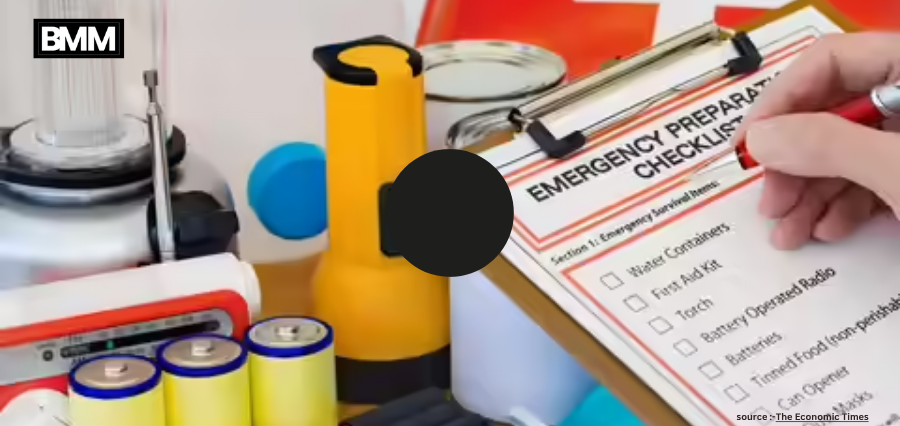
1. Prepare an Emergency Kit
1. Basic Essentials
- Clean drinking water for at least three days
- Non perishable food items
- First aid kit and essential medicines
- Flashlight, batteries, and power bank
2. Important Documents
Keep copies of identification, insurance, and important records in a waterproof bag.
How to Stay Safe During Active Conflict?
During active conflict, your actions should focus on minimizing risk and staying protected.
1. Stay Indoors
Remain inside sturdy buildings. Choose a room without windows, preferably in the center of the house.
2. Avoid Open Areas
Stay away from roads, bridges, and crowded places which may become targets.
3. Follow Instructions
Always follow directions given by authorities regarding curfews, evacuations, or safety measures.
Maintaining discipline and awareness is a key part of effective war safety.
1. Protecting Your Mental and Emotional Well Being
In addition to physical protection, war safety also includes mental health.
2. Stay Calm
Fear and panic can lead to poor decisions. Practice breathing techniques and focus on staying composed.
3. Limit News Exposure
While staying informed is important, constant exposure to distressing news can increase anxiety.
4. Support Each Other
Stay connected with family members and neighbors. Emotional support can provide strength during difficult times.
5. Special Care for Children and Elderly
Certain groups require extra attention during war like situations.
Children
- Explain the situation in simple and calm language
- Keep them close and supervised
- Provide comfort through familiar items
Elderly
- Ensure access to medications
- Assist with mobility and daily needs
- Keep emergency contacts easily accessible
Planning ahead for vulnerable individuals is an essential part of war safety.
Evacuation Planning and Safety Measures
Establish various evacuation paths and rendezvous areas.
1. Pack Light but Smart
Bring food, water, documents, and medicines.
2. Stay Alert While Moving
There should be no unnecessary stops and adherence to the evacuation routes.
Ready evacuation plans are an important aspect of safety in war.
3. Long Term Survival and Safety Strategies
In case the conflict lasts longer, one needs to live in accordance with the situation.
4. Grossery Supplies
Food and water should be utilized, and they should last longer.
5. Maintain Hygiene
Cleanliness is good to prevent diseases and infections.
6. Stay Updated
Continuously keep track of government reports and information to understand when it is safe to go back or to move.
Planning and adapting are vital attributes of good and effective war safety measures.
Conclusion
Knowing how to be safe in war or a war-like situation occurs, and then take care of ourselves tips it is not only about being prepared but being aware of how to protect our lives in a responsible manner. War safety consists of planning, relaxed decision-making, and keeping abreast.
Preparation of emergency kits, evacuation plans, and vulnerable persons’ physical and mental well-being will ensure that you are able to confront even the worst of situations. Today, being prepared means a secure tomorrow not only for yourself but for your loved ones, as well.
Also Read :- Business Minds Media for More information