
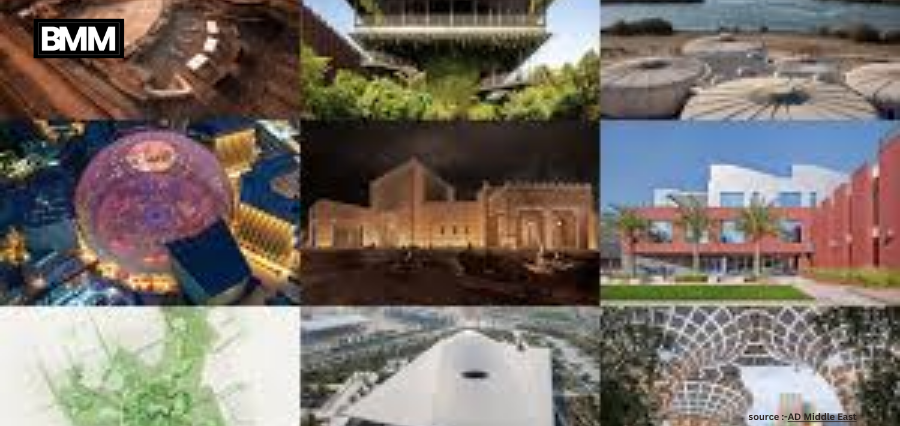
In recent decades, the Middle East purpose-driven architecture has become a canvas for some of the most striking architectural marvels in the world. From futuristic skylines to breathtaking cultural landmarks, the region has transformed into a hub of design excellence. Yet, beneath the glittering facades and innovative forms, a new movement is emerging. Architecture in the Middle East is no longer just about beauty or grandeur; it is about purpose. This transformation marks a shift from visual spectacle to meaningful design, where every structure serves as a statement of sustainability, community, and cultural identit
The Shift from Ornament to Intention
For years, the region’s purpose-driven architecture was often associated with lavishness and extravagance. Towers pierced the skies as symbols of wealth and ambition, while opulent interiors reflected luxury and success. Today, however, the narrative is changing. A new generation of architects and developers is reimagining design as a tool for progress rather than display. They are focusing on functionality, environmental responsibility, and human experience. The emphasis has moved from creating landmarks that impress the eye to spaces that enrich lives. This evolution reflects a broader regional awakening, a recognition that architecture must respond to the challenges of climate change, social inclusivity, and cultural continuity.
Sustainability as the New Design Language
One of the defining features of purpose-driven architecture in the Middle East is its embrace of sustainability. In a region defined by harsh climates and limited natural resources, the need for environmental consciousness is paramount. Architects are drawing inspiration from traditional desert architecture that relied on natural ventilation, shaded courtyards, and local materials. These age-old techniques are being reinterpreted through modern technology to create energy-efficient, climate-responsive buildings.
The city of Masdar in Abu Dhabi, for instance, stands as a living example of this new vision. Designed to be a carbon-neutral urban environment, Masdar integrates solar energy, smart grids, and walkable communities. Similarly, Saudi Arabia’s ambitious NEOM project aims to redefine urban living by building cities powered entirely by renewable energy. Across the region, sustainability is no longer a design trend but a foundational philosophy.
Cultural Identity Reimagined
Purpose-driven architecture in the Middle East is also deeply intertwined with the region’s cultural identity. As globalization influences design trends worldwide, architects are rediscovering local heritage and craftsmanship. They are blending contemporary aesthetics with traditional forms, materials, and motifs to create designs that speak to both modernity and memory.
Projects like the Louvre Abu Dhabi and the National Museum of Qatar illustrate this balance beautifully. Both structures are global in vision yet rooted in local culture. The Louvre’s domed canopy filters light in patterns reminiscent of palm fronds, while the National Museum’s design draws inspiration from the desert rose crystal formation. These buildings do more than house art or artifacts; they tell stories about place, people, and identity. They show that modern architecture in the Middle East can honor its past while shaping the future.
Human Centric Design and Community Spaces
Another hallmark of this movement is the shift toward human-centric design. Architects are rethinking the relationship between built environments and their inhabitants. The goal is no longer to create isolated monuments but to design inclusive spaces that foster interaction, accessibility, and well-being.
Public parks, pedestrian zones, and mixed-use developments are becoming central to urban planning. Cities like Dubai and Riyadh are investing in community spaces that encourage social connection and outdoor living. The Dubai Design District, for example, was conceived not just as a commercial hub but as a creative ecosystem where collaboration thrives. Through thoughtful urban design, these spaces are nurturing creativity, dialogue, and a sense of belonging.
Technology as an Enabler of Purpose
Innovation has always been at the heart of Middle Eastern architecture, but today it serves a more meaningful role. Advanced design software, AI-driven modeling, and sustainable construction technologies are enabling architects to push boundaries while maintaining ethical and ecological responsibility.
3D printing, for instance, is revolutionizing construction in the UAE, enabling cost-effective, waste-reducing, and rapid building methods. Smart materials that adapt to environmental conditions are enhancing comfort and efficiency. These technological advancements are not just about convenience; they are empowering architects to design with precision, purpose, and consciousness.
The New Legacy of Middle Eastern Architecture
The transformation unfolding across the Middle East signals a new era where architecture becomes a medium of dialogue between progress and preservation. The region’s architects are no longer competing to build the tallest or most extravagant structures; they are striving to create meaningful spaces that contribute to the well-being of people and the planet.
Purpose-driven architecture reminds us that true beauty lies not only in how a structure looks, but also in how it lives and breathes within its environment. It is a reflection of empathy, innovation, and vision. The Middle East, once known for its architectural opulence, is now leading a global conversation on responsible design. In doing so, it is proving that the most powerful structures are those built not just with ambition but with purpose
Also Read :- Business Minds Media For more information