
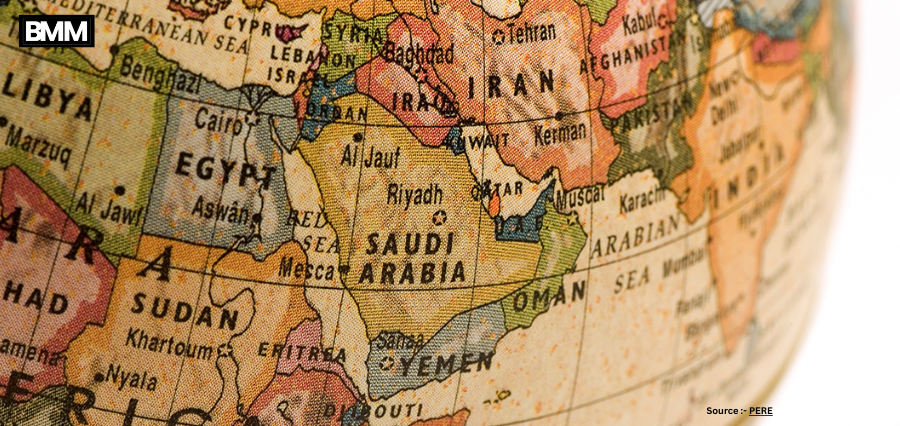
The global investment landscape is undergoing a significant transformation, and the Middle East is rapidly emerging as one of the most attractive destinations for investors worldwide. With visionary national agendas, economic diversification, and bold infrastructure projects, the region has positioned itself as a hub for innovation, trade, and long-term growth. From the financial centers of the Gulf to the emerging markets of North Africa, the Middle East is no longer defined solely by its energy wealth but by its growing influence in global finance, technology, logistics, and sustainability.
A New Economic Identity
Over the past decade, Middle Eastern nations have made remarkable progress in reducing their dependence on oil revenues and creating more diversified, resilient economies. Governments have invested heavily in non-oil sectors such as tourism, renewable energy, healthcare, logistics, and digital technology. This strategic shift has turned the region into a magnet for global investors seeking stability and high returns in an increasingly unpredictable world.
Saudi Arabia’s Vision 2030, the United Arab Emirates’ Economic Vision 2030, and Qatar’s National Vision 2030 are just a few examples of how national transformation plans are reshaping economic priorities. These initiatives focus on fostering private sector growth, promoting innovation, and creating business-friendly environments that attract foreign direct investment. By offering incentives such as tax exemptions, streamlined regulations, and advanced infrastructure, the region has become a preferred destination for both institutional and individual investors.
Strategic Location and Global Connectivity
Geography has always been one of the Middle East’s greatest advantages. Situated at the crossroads of Europe, Asia, and Africa, the region serves as a natural bridge for trade and investment. The development of world-class ports, airports, and logistics zones has strengthened this position, turning cities like Dubai, Doha, and Riyadh into global trade and finance centers.
Dubai’s success as a global business hub illustrates how strategic location, open trade policies, and visionary planning can attract international investment. The city’s connectivity enables global companies to access markets across Asia, Africa, and Europe with ease. Similarly, Saudi Arabia is investing in large-scale infrastructure projects such as NEOM and the Red Sea Project, which are designed to attract international businesses and investors looking for high-growth opportunities in new sectors.
Financial Innovation and Regulatory Reform
The financial landscape of the Middle East has evolved dramatically in recent years. Countries have introduced regulatory frameworks that encourage entrepreneurship, streamline business operations, and ensure transparency for investors. The establishment of financial free zones such as the Dubai International Financial Centre and the Abu Dhabi Global Market has provided international investors with a secure and well-regulated platform to operate.
In addition, the rise of fintech and digital banking is revolutionizing how business is conducted across the region. Governments Global Investment Magnet are embracing technologies such as blockchain and digital currencies to modernize their financial systems and enhance investor confidence. This shift toward digital finance is creating new avenues for venture capital and private equity investments in a region that is already attracting attention for its dynamic startup ecosystem.
Tourism, Real Estate, and Cultural Development
The tourism and real estate sectors are playing an increasingly important role in driving investment into the Middle East. Mega projects such as Saudi Arabia’s Red Sea Development, the UAE’s Expo City Dubai, and Oman’s integrated tourism complexes are designed to attract global visitors and investors alike. These initiatives not only boost the hospitality industry but also create long-term opportunities in construction, entertainment, and retail.
The Global Investment Magnet region’s commitment to cultural development has also enhanced its global image. Projects such as the Louvre Abu Dhabi, AlUla in Saudi Arabia, and the Museum of Islamic Art in Doha are redefining the Middle East as a global cultural destination. This fusion of heritage and modernity appeals to investors who value social impact and long-term cultural sustainability alongside financial returns.
Resilience Amid Global Uncertainty
In an era marked by geopolitical tensions and economic volatility, the Middle East has demonstrated remarkable resilience. Its ability to maintain economic stability and growth even during global disruptions has strengthened investor confidence. Sound fiscal policies, strategic diversification, and strong sovereign wealth funds have allowed many countries to weather economic storms that have affected other parts of the world.
A New Center of Global Investment
The Middle East as a Global Investment Magnet is no longer perceived merely as a resource-rich region but as a center of innovation, sustainability, and global opportunity. Its cities are evolving into modern hubs where technology, finance, and creativity intersect. International investors are looking east not only for financial returns but also to participate in a broader story of transformation and progress.
As the Global Investment Magnet world continues to shift toward new economic centers, the Middle East stands out as a beacon of vision and potential. Through diversification, innovation, and strategic foresight, it is redefining what it means to be a global investment magnet. The region’s journey reflects not just economic evolution but a powerful message to the world that the future of global business is being shaped, in part, from the heart of the Middle East.
Also Read :- Business Minds Media For more Information